How to Get Rid of Bats: A Complete Removal Guide
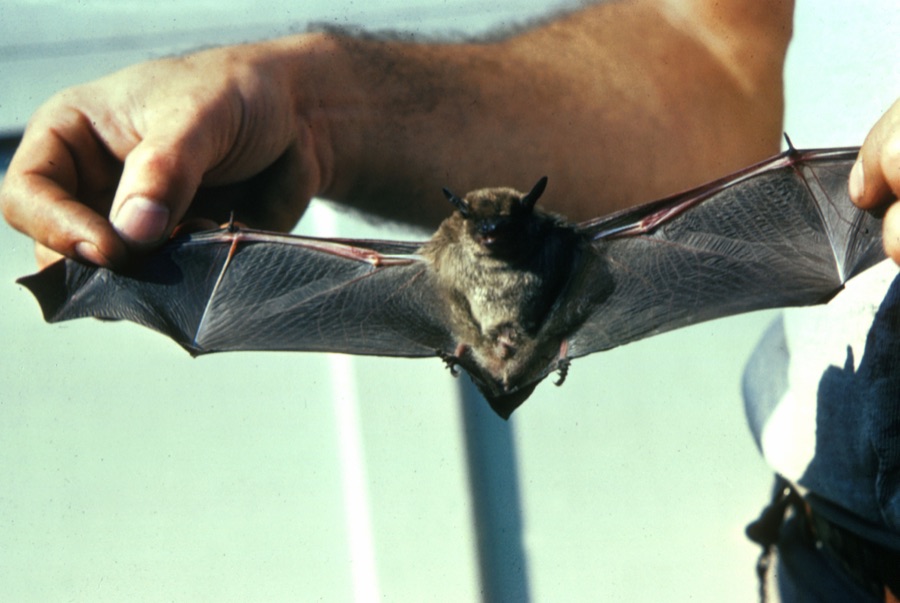
Little brown bats and big brown bats often roost in attics, forming colonies that can number from 20 to over 500, causing significant noise and health hazards with their droppings. Delaying bat removal can lead to more extensive damage and higher costs, so it's crucial to call licensed professionals who can safely exclude them without harming the bats or violating legal protections.
Identifying Bats
Little brown bats and big brown bats are two of the most frequently encountered species when it comes to attic invasions in the United States. Little brown bats typically measure about 3 to 4 inches in body length, with a wingspan ranging from 8 to 10 inches. Their fur is generally dark brown on top and lighter underneath, giving them a distinctive two-toned appearance. Big brown bats are larger, measuring around 4 to 5 inches in body length, with a wingspan of about 12 to 16 inches. They have a rich, chocolate-brown coloration that can sometimes appear almost reddish or golden. At night, the presence of these bats becomes more evident through their unique sounds and activities. Bats are known for their echolocation calls, which they use to navigate and locate prey. These high-pitched squeaks are often inaudible to human ears but can sometimes be heard as a series of rapid clicks or chirps, especially when the bats are close to structures like attics or eaves. Inside an attic, homeowners might also hear scratching or scurrying noises as the bats move around or settle into their roosts. Another key indicator of bat presence is the tracks and footprints they leave behind. Bat tracks can be found on dusty surfaces or in insulation. The prints are small, with a front footprint measuring about 0.25 to 0.37 inches long and a hind footprint slightly larger at around 0.37 to 0.5 inches. These prints often appear alongside drag marks from the wings as the bats crawl or hop. Bat droppings, known as guano, are another crucial sign of infestation. Little brown bat droppings are small, measuring about 1/4 inch in length and resembling mouse droppings but with a shiny, speckled appearance due to the insect exoskeletons they contain. Big brown bat droppings are larger, typically around 3/8 inch long, and have a more cylindrical shape. Guano tends to accumulate in clusters below roosting areas, such as on attic floors or along walls. The presence of these droppings can also be identified by their strong, musty odor, which becomes more noticeable as the accumulation grows.
Why Bats Enter Your Home
Little brown bats and big brown bats are drawn to homes for a variety of reasons that cater to their basic survival needs: food, shelter, warmth, and nesting sites. These small mammals are primarily insectivores, feeding on mosquitoes, moths, and other flying insects, which are often abundant near human settlements due to the presence of outdoor lighting and water sources like ponds or fountains. The attic of a home provides an ideal habitat for bats, offering a dark, quiet space that mimics their natural roosting sites in caves and tree hollows. Attics also maintain consistent temperatures, crucial for bats during their active months when they need to conserve energy. Bats gain entry into homes through various small openings and gaps, often unnoticed by homeowners until the animals are already inside. Common entry points include roof vents, soffits, gaps in fascia boards, cracks in the foundation, and chimneys. These entry points can be as small as a quarter-inch wide, allowing bats to squeeze through with ease. Seasonal patterns play a significant role in bat activity around homes. In spring and summer, female bats form maternity colonies to give birth and raise their young, often choosing attics for this purpose due to the warm conditions that help pups develop. During these months, exclusion efforts are typically prohibited by law to prevent separating mothers from their dependent young. Professional exclusion is essential because simply removing bats without addressing the entry points can lead to repeated infestations. Exclusion involves identifying and sealing all potential entry points while installing one-way doors or valves that allow bats to exit but not re-enter. This process must be done with care to ensure no bats, especially young ones, are trapped inside. Professionals also provide guidance on humane bat management practices and can help homeowners create alternative roosting sites, such as bat houses, to encourage the beneficial presence of these creatures without compromising home safety.
Damage Bats Cause
Bats can cause significant damage to homes, particularly when they establish large colonies in attics or wall cavities. Over time, their droppings, known as guano, accumulate and can create a thick layer that not only stains surfaces but also corrodes building materials like wood and insulation. The acidic nature of guano can weaken structural components, leading to sagging floors, ceilings, and even roof collapse in extreme cases. Insulation becomes heavily contaminated with guano and urine, reducing its effectiveness and necessitating costly replacement. Additionally, the presence of bats often attracts other pests such as insects that feed on guano or bat carcasses, further exacerbating the infestation. Health risks associated with bat infestations are a serious concern. Bat droppings can harbor fungi like Histoplasma capsulatum, which causes histoplasmosis—a respiratory disease that can be particularly dangerous for individuals with weakened immune systems. Bats themselves may carry parasites such as mites, fleas, and ticks, which can infest living spaces and pose health risks to humans and pets. Moreover, the accumulation of guano and urine creates a strong, unpleasant odor that permeates the home, making it uncomfortable to live in. The longer an infestation persists, the more extensive the damage becomes, compounding both the cost of repairs and the risk to human health.
How to Remove Bats
When faced with a bat infestation in an attic, the first step for licensed wildlife removal contractors is to conduct a thorough initial inspection. This involves carefully examining the exterior of the building to identify entry points, which can be as small as a quarter-inch gap. Contractors also assess the size of the colony and determine if there are any pups present, especially during the bat maternity season from May through August. During this period, exclusion is often prohibited in many states to prevent separating mothers from their young, which could lead to the death of the pups. The inspection may also include setting up cameras or conducting nighttime observations to pinpoint when and where bats enter and exit. Once the initial assessment is complete, licensed contractors employ humane methods to remove the bats without causing harm. One common technique is the use of exclusion devices, such as one-way doors or cones, which allow bats to leave but prevent them from re-entering. These devices are strategically placed at entry points and left in place for several days to ensure all bats have exited. In some cases, live trapping may be used, particularly if a few stubborn individuals remain after the exclusion process. However, live trapping is generally less preferred because it can stress the bats and is more labor-intensive. Throughout this process, contractors must adhere to federal and state laws that protect bat species, often requiring permits for certain activities and strict guidelines on relocation distances. After the bats have been successfully excluded, a crucial step in the process is cleanup and sanitization. Bats leave behind guano (feces) and urine, which can accumulate over time and pose health risks such as histoplasmosis. Licensed contractors use specialized equipment to remove all bat droppings and contaminated materials, followed by thorough cleaning with disinfectants to eliminate odors and potential pathogens. They may also recommend sealing entry points with caulk or mesh to prevent future infestations. DIY attempts at bat removal often fail because they lack the necessary expertise and tools. Additionally, many methods used by untrained individuals can be illegal, as they may harm the bats or violate protective laws. Proper exclusion requires a nuanced understanding of bat behavior and legal compliance, making it essential to hire licensed professionals for safe and effective results.
Need bat removal?
Speak with a licensed wildlife removal contractor in your area — free, no obligation.
📞 (888) 217-6838This site is a free service to assist homeowners in connecting with local service providers. All contractors/providers are independent and this site does not warrant or guarantee any work performed. It is the responsibility of the homeowner to verify that the hired contractor furnishes the necessary license and insurance required for the work being performed. All persons depicted in a photo or video are actors or models and not contractors listed on this site.
Bat Prevention Tips
Preventing bat infestations starts with identifying and sealing potential entry points to your home. Bats can squeeze through gaps as small as a quarter-inch in diameter, so thorough inspection is crucial. Focus on areas where different building materials meet, such as the roofline, eaves, and around chimneys. Use caulk or expanding foam for smaller gaps, while larger openings may require hardware cloth or sheet metal to be securely fastened. It’s also important to check and repair any damaged screens on windows and vents. Ensuring that all doors, especially those leading to attics or basements, have tight-fitting sweeps can further deter bats from entering. In addition to sealing entry points, modifying the habitat around your home can make it less attractive to bats. Remove standing water sources like birdbaths or puddles, as these attract insects that bats feed on. Keep trees and shrubs trimmed away from the house to eliminate easy access points for bats. Consider installing bat houses in your yard; while this might seem counterintuitive, providing an alternative roosting site can sometimes deter bats from choosing your attic. Regularly inspect your home’s exterior and attic during the non-maternity season (typically September through April) to catch any new entry points early. If you notice signs of bat activity, such as droppings or scratching sounds, consult a licensed wildlife removal contractor for safe exclusion methods.
State Licensing Requirements
State regulations for bat removal vary widely, reflecting the need to protect both human health and these ecologically important mammals. In Texas, structural pest operators must obtain a TPCL (Texas Pesticide/Pest Control License) from the Texas Department of Agriculture (TDA). This ensures that professionals are trained in humane and effective methods of exclusion, crucial for handling protected species like bats. Similarly, New York mandates a DEC Nuisance Wildlife Control Operator (NWCO) permit for wildlife removal activities. This certification guarantees that contractors understand the legal restrictions during bat maternity season and can safely relocate colonies without causing harm. In Connecticut, DEEP certification is required for wildlife control operators, emphasizing the importance of environmental stewardship and compliance with state laws. Hiring a licensed contractor matters significantly because it ensures adherence to federal and state regulations, which protect both bats and property owners. Unlicensed removal can result in hefty fines and legal consequences, as well as potential harm to bat populations that are protected under law. Licensed professionals also know the proper methods for exclusion and disposal, ensuring that the process is humane and effective, while minimizing any risk of disease transmission or structural damage.
Wondering what this will cost?
See our complete bat removal cost guide →Frequently Asked Questions
What should I do if I find bats in my attic?
If you discover bats in your attic, it's important to contact a licensed wildlife removal contractor immediately. They can safely and legally exclude the bats without harming them, ensuring compliance with federal and state laws.
Can I remove bats myself or should I hire a professional?
While you might be tempted to handle bat removal yourself, it's highly recommended to hire a licensed professional. Bats are protected by law, and improper handling can lead to legal issues, health risks, and ineffective exclusion.
How much does bat removal typically cost?
The cost of bat removal can vary based on the size of the colony, the extent of the infestation, and the complexity of the exclusion process. On average, homeowners can expect to pay between $400 and $1,500 for professional bat removal services.
What is the timeline for bat exclusion, and when can it be done?
The timeline for bat exclusion typically takes 1-2 weeks, but this can vary. Exclusion cannot be performed during the maternity season (usually May–August) to prevent orphaning baby bats. A licensed contractor can provide a specific timeline based on your situation.
What should I do if I find a single bat in my living space?
If you find a single bat inside your home, remain calm and avoid direct contact. Close the room's doors to contain the bat, open windows or doors leading outside, and allow it to exit on its own. If it doesn't leave, call a licensed wildlife removal contractor for assistance.
Find a Licensed Bat Removal Contractor
Browse our directory of licensed pest control and wildlife removal professionals across TX, NY, CT, and all 50 states.
Search by State →