How to Get Rid of Birds: A Complete Removal Guide
Nesting in vents and chimneys, roosting on structures, and noisy gatherings can turn charming birds into significant nuisances. Delaying action can lead to property damage from acidic droppings and complex nesting issues. Licensed wildlife removal experts offer the best approach to safely and legally address these problems.
Identifying Birds
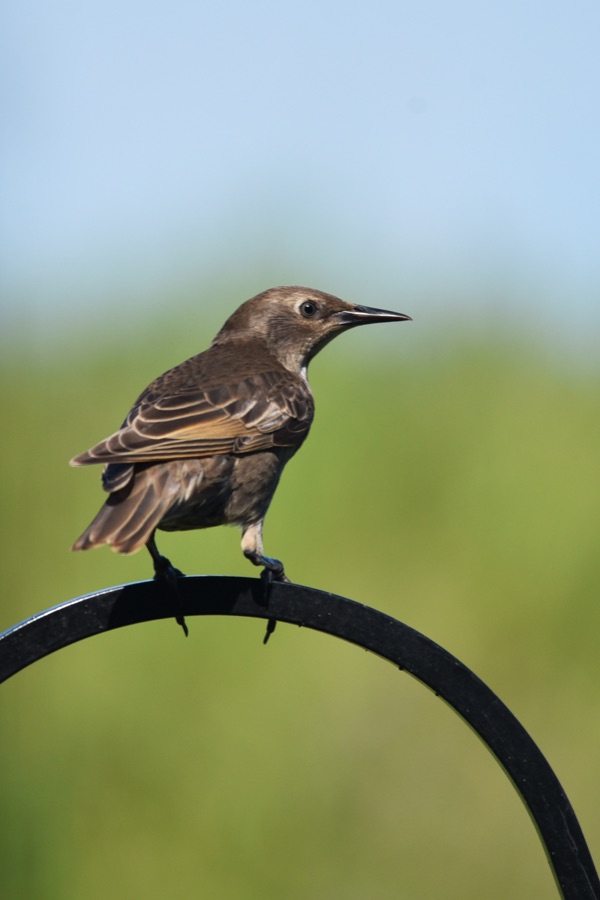
Identifying nuisance birds around your home can be crucial for effective wildlife management. European starlings are medium-sized birds, roughly 7.5 to 8.5 inches long with a wingspan of about 12 to 16 inches. They have glossy black feathers that shimmer with iridescent hints of green and purple, especially noticeable during the breeding season. In winter, their plumage becomes speckled with white spots. Starlings are known for their noisy chirps and whistles, often heard in groups perched on utility wires or roosting in trees. House sparrows, another common nuisance bird, are smaller than starlings, measuring about 5.5 to 6.5 inches long with a wingspan of around 7 to 10 inches. Males have distinctive gray heads, white cheeks, and a black bib under their chin, while females are more uniformly brown with streaks on their back and a pale stripe behind the eye. House sparrows are particularly vocal, producing a continuous series of short, chirping notes that can be quite persistent, especially in the early morning or late evening. Pigeons, also known as rock doves, are larger birds, typically 10 to 13 inches long with a wingspan of about 24 to 28 inches. They have a plump body and short legs, with gray feathers that often have iridescent green and purple patches on the neck. Pigeons are known for their cooing sounds, which can be heard from a distance, especially when they are roosting in groups on buildings or ledges. Their droppings are large, white, and acidic, capable of causing significant damage to surfaces over time. Woodpeckers, while generally beneficial for controlling insect populations, can become a nuisance when they drum on houses or trees. These birds vary in size, but the common species like the downy woodpecker is about 5.5 to 7 inches long with a wingspan of 10 to 12 inches. They have black and white plumage, with males sporting a red patch on the back of their head. Woodpeckers are easily identified by their distinctive drumming sound, which they produce by rapidly pecking on trees or even metal surfaces like chimneys and gutters. This drumming is often heard during the spring breeding season. Their droppings are small and pellet-like, typically found scattered around the base of trees or structures where they have been active.
Why Birds Enter Your Home
Birds often find their way into homes for a variety of reasons, primarily driven by the basic needs for food, shelter, and warmth. European starlings, house sparrows, pigeons (rock doves), and woodpeckers are among the most common nuisance birds that homeowners encounter. These birds are attracted to areas around homes where they can find easy access to food sources such as bird feeders, pet food left outdoors, or even open garbage bins. However, it's not just about food; these birds also seek out safe and warm nesting sites, especially during the breeding season in spring and early summer. Roofs with loose tiles, gaps in soffits, cracks in fascia boards, and open roof vents provide ideal entry points for these birds to build their nests. Once inside, birds can cause significant damage and create unsanitary conditions. They often nest in chimneys, attic spaces, or within wall cavities, leading to issues like blocked ventilation systems, noise disturbances, and the accumulation of droppings. Pigeon droppings, in particular, are highly acidic and can erode building materials over time, causing structural damage. Additionally, these droppings pose health risks as they can harbor diseases and attract pests. While it might seem tempting to simply remove the birds once they're discovered, this approach often fails to address the underlying issues that attracted them in the first place. Professional exclusion services are crucial because they not only remove the birds but also identify and seal off all potential entry points, ensuring that the birds do not return. This proactive approach is more effective and long-lasting than merely trapping or killing the birds, which can be illegal for many species protected under the Migratory Bird Treaty Act.
Damage Birds Cause
Birds such as European starlings, house sparrows, pigeons, and woodpeckers can wreak havoc on homes, causing a range of structural and health issues that escalate over time. When these birds nest in vents or chimneys, their nests can block airflow, leading to poor ventilation and potential fire hazards if the nests are near heating elements. The acidic nature of bird droppings is particularly damaging; it can erode paint, corrode metal surfaces, and weaken structural integrity over prolonged exposure. Insulation contaminated by bird droppings not only loses its effectiveness but can also become a breeding ground for mold and other harmful microorganisms, posing serious health risks to occupants. Moreover, the constant noise from roosting birds can disrupt daily life, making it difficult to sleep or concentrate. The accumulation of droppings on roofs, balconies, and walkways not only creates unsightly messes but also poses slip hazards. Pigeons and house sparrows, which are not protected by federal laws, often congregate in large numbers, exacerbating these problems. As infestations persist, the damage compounds, requiring more extensive and costly repairs. For instance, woodpeckers can create significant holes in wooden structures as they search for insects or establish nesting sites, leading to further water infiltration and decay. Addressing bird infestations early is crucial to mitigate these multifaceted issues and prevent long-term damage to the home.
How to Remove Birds
When faced with a bird infestation, the first step for a licensed wildlife removal contractor is to conduct an initial inspection of the property. This involves identifying the specific species causing issues, assessing the extent of their presence, and locating entry points such as vents, chimneys, and other openings in structures. For example, European starlings often nest in attic spaces, while pigeons tend to roost on ledges and rooftops. Understanding these behaviors helps contractors tailor their approach to effectively address the problem. Once the inspection is complete, the contractor will choose an appropriate removal method based on the species and situation. For non-protected birds like house sparrows and pigeons, live trapping can be effective. Traps are set in areas where the birds frequently gather, and once captured, the birds are relocated to a suitable habitat away from the property. Exclusion devices, such as one-way doors, allow birds to exit but prevent them from re-entering. For larger colonies, colony exclusion techniques may be used, which involve sealing off all entry points except for one or two, where one-way doors are installed. This method ensures that all birds leave and cannot return, effectively clearing the area without causing harm. Legal requirements play a crucial role in bird removal, especially when dealing with protected species like most songbirds under the Migratory Bird Treaty Act. Contractors must obtain federal permits to trap or relocate these birds, and strict guidelines are followed to ensure compliance. After the birds are removed, cleanup and sanitization are essential steps to restore the affected areas. This involves removing nests, droppings, and other debris that can cause damage and pose health risks. Specialized cleaning solutions are used to neutralize acidic droppings and sanitize surfaces to prevent the spread of diseases. DIY attempts often fail because they lack the expertise and legal knowledge required for humane and effective removal. Additionally, many methods used by amateurs can be illegal, leading to fines and further complications. Professional contractors have the necessary tools, experience, and permits to handle bird infestations safely and legally.
Need bird removal?
Speak with a licensed wildlife removal contractor in your area — free, no obligation.
📞 (888) 217-6838This site is a free service to assist homeowners in connecting with local service providers. All contractors/providers are independent and this site does not warrant or guarantee any work performed. It is the responsibility of the homeowner to verify that the hired contractor furnishes the necessary license and insurance required for the work being performed. All persons depicted in a photo or video are actors or models and not contractors listed on this site.
Bird Prevention Tips
Preventing bird infestations starts with making your home less attractive to these feathered visitors. Sealing off potential entry points is crucial; focus on gaps around vents, chimneys, and eaves where birds often nest. Use materials like hardware cloth or metal flashing to cover openings that are larger than a quarter-inch, as even small gaps can invite unwanted guests. Ensure that all screens are intact and securely fastened, especially those covering attic vents. For chimney openings, consider installing a chimney cap designed to keep birds out while allowing smoke to escape. Additionally, securing food sources is essential. Keep trash cans tightly sealed with lids, and if you have bird feeders, opt for models that are squirrel-proof and less likely to spill seeds onto the ground where other birds can gather. Habitat modification can also play a significant role in deterring nuisance birds. Remove or prune trees and shrubs near your home that provide perching spots and nesting sites. Install physical barriers like bird spikes or netting on ledges, roof peaks, and other flat surfaces to prevent roosting. Regularly cleaning up any droppings not only maintains a clean environment but also reduces the risk of damage from their acidic nature. Ongoing monitoring is key; regularly inspect your property for signs of nesting activity or damage, and address issues promptly to prevent them from becoming more serious. By taking these proactive steps, homeowners can significantly reduce the likelihood of bird infestations and maintain a peaceful living environment.
State Licensing Requirements
State regulations for bird removal vary widely, reflecting the diverse ecosystems and legal frameworks across the country. In Texas, anyone engaged in structural pest control must obtain a TPCL (Texas Pesticide/Pest Control License) from the Texas Department of Agriculture (TDA). This ensures that operators are knowledgeable about safe and effective methods to manage pests like European starlings, house sparrows, and pigeons without causing harm to protected species or the environment. In New York, the Department of Environmental Conservation (DEC) mandates a Nuisance Wildlife Control Operator (NWCO) permit for wildlife removal activities. This requirement helps ensure that contractors are well-versed in the state’s specific laws regarding bird control and can handle situations involving unprotected birds like pigeons and house sparrows while adhering to strict guidelines. Connecticut, on the other hand, requires certification from the Department of Energy and Environmental Protection (DEEP) for wildlife control operators, ensuring they are trained in humane and legal methods of bird removal. Hiring a licensed contractor is crucial because it ensures compliance with state and federal laws, which can include hefty fines for unlicensed removal. Licensed professionals are also well-versed in the Migratory Bird Treaty Act, which protects most songbirds from being killed or trapped without a federal permit. Additionally, these contractors understand proper disposal requirements to prevent further issues like disease spread or environmental contamination. By choosing a licensed contractor, property owners can be confident that their bird problems will be resolved legally and safely.
Wondering what this will cost?
See our complete bird removal cost guide →Frequently Asked Questions
Can I remove birds from my property myself or should I hire a professional?
While you can attempt to deter birds using DIY methods like installing bird spikes or netting, it's often best to call a licensed wildlife removal contractor for more persistent issues. Professionals have the expertise and equipment to safely and legally remove nuisance birds without causing harm.
How much does it cost to have birds removed from my property?
The cost of bird removal can vary depending on the extent of the infestation, the type of birds, and the methods required. On average, you can expect to pay between $200 and $800 for professional services. For an accurate estimate, contact a licensed wildlife removal contractor in your area.
What should I do if I find a bird nest in my chimney or vent?
If you discover a bird nest in your chimney or vent, it's important not to try to remove it yourself, especially if there are eggs or young birds present. Contact a licensed wildlife removal contractor who can safely and legally remove the nest and prevent future nesting.
How long does it typically take for a professional to remove nuisance birds from my property?
The timeline for bird removal depends on the complexity of the situation, but most professionals can complete the process within 1-3 days. For larger infestations or more challenging locations, it may take longer. A licensed contractor can provide a more accurate timeframe during an initial assessment.
Are there any legal restrictions on removing certain types of birds from my property?
Yes, many songbirds are protected under the Migratory Bird Treaty Act and cannot be killed or trapped without a federal permit. However, pigeons, house sparrows, and European starlings are not protected and can be removed more easily. Always consult with a licensed wildlife removal contractor to ensure compliance with local laws.
Find a Licensed Bird Removal Contractor
Browse our directory of licensed pest control and wildlife removal professionals across TX, NY, CT, and all 50 states.
Search by State →