Dead Animal Removal: What Homeowners Need to Know
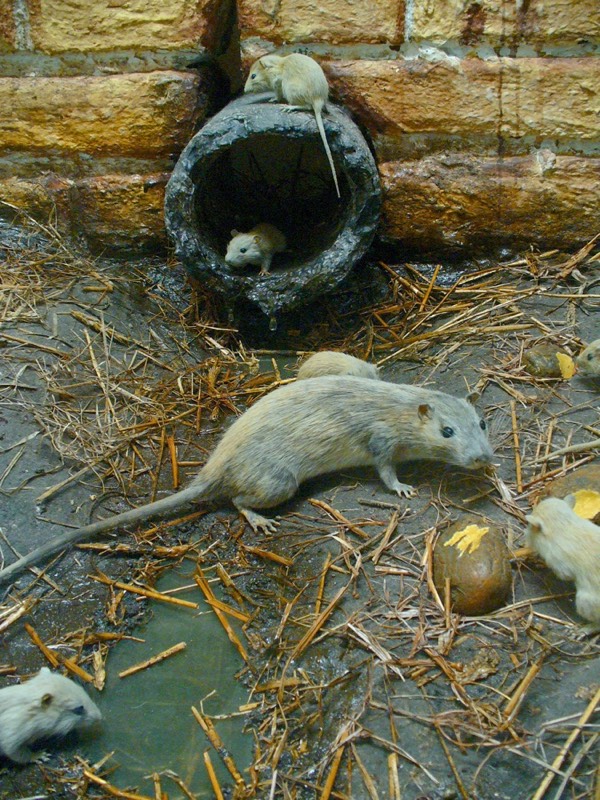
Discovering a dead animal in your home's walls, attic, or crawl spaces can lead to intense odors and health risks from bacteria and pests. Delaying action can exacerbate these issues, making it crucial to call on licensed professionals for safe removal and sanitization.
Signs of a Dead Animal in Your Home
Identifying a dead animal within the confines of your home can be a challenging task, but certain signs can help pinpoint the issue before it escalates into a more serious problem. One of the most immediate indicators is the odor. The smell of decay typically peaks 3 to 5 days after an animal has died and can linger for up to 2 to 3 weeks. This pungent, often putrid scent is hard to miss and usually grows stronger over time, especially in warm conditions. If you notice a sudden, unexplained foul odor emanating from your walls, attic, crawl spaces, or under decks, it’s likely that an animal has met its end there. Another key sign is the presence of unusual sounds. While live animals can create noise by scurrying, scratching, or vocalizing, dead animals may still produce sounds indirectly. For instance, maggots and flies often infest a carcass, creating a buzzing or rustling sound as they feed. These noises are particularly noticeable at night when the environment is quieter. Additionally, if the animal was trapped in a small space, you might hear a muffled thud as it falls to the floor or shifts due to decomposition. Tracks and footprints can also provide clues about the presence of dead animals, especially if they were active before dying. For example, raccoons leave large, hand-like prints with five distinct toes, each about 1 inch long, resembling a small human handprint. Squirrels, on the other hand, have smaller, more delicate tracks, with four-toed front feet and five-toed hind feet, typically measuring around 0.5 to 1 inch in length. Rats leave tiny prints, usually less than 0.5 inches long, with a distinctively narrow shape. These tracks can often be found near entry points or along paths the animal frequently used. Droppings are another important indicator. The size, shape, and location of droppings can help identify the type of animal involved. Raccoon droppings are typically 3 to 5 inches long and about 0.5 inches in diameter, with a dark, tubular appearance and often contain undigested food particles like seeds or fur. Squirrel droppings are smaller, usually around 0.25 inches long and cylindrical, resembling small grains of rice. Rat droppings are also small, typically 0.2 to 0.3 inches in length, with a slightly curved shape and a dark color. These droppings can be found scattered along the animal’s path or concentrated in specific areas where they frequently rest or feed. By carefully examining these signs, homeowners can better understand what type of animal is causing the issue and take appropriate steps to address it.
Where Dead Animals Are Found
Dead animals inside homes are a distressing issue that often stems from the natural behaviors of wildlife seeking shelter, food, or warmth. Common culprits include squirrels, raccoons, opossums, rats, and birds, which may enter your home through various entry points such as roof vents, soffits, gaps in fascia boards, foundation cracks, and chimneys. These animals are drawn to the safety and comfort of indoor spaces, especially during harsh weather conditions or when they need a secure place to nest and raise their young. For instance, raccoons might find an attic appealing due to its insulation and protection from predators, while squirrels may seek out small gaps in the roofline where they can easily access and create a cozy den. Seasonal patterns play a significant role in why these animals enter homes. In the fall and winter, wildlife is more likely to search for warm, sheltered areas to survive the cold. Spring and summer, on the other hand, are prime times for nesting and raising offspring, making attics and crawl spaces particularly attractive due to their quiet and secluded nature. Once inside, these animals can cause significant damage to your home's structure and insulation, and if they die within the walls or attic, the odor can become overwhelming and attract secondary pests like flies and maggots. Bacteria from decomposing carcasses also pose health risks to humans and pets. Professional exclusion services are crucial not only for removing dead animals but also for preventing future intrusions. Simply removing a dead animal without addressing the entry points and underlying attractions will likely result in repeated issues. Wildlife experts can identify and seal off all potential access points, ensuring that no more animals can enter your home. They can also provide recommendations for maintaining a clean and unattractive environment to wildlife, such as securing trash bins and trimming overhanging branches. By addressing both the immediate problem and the root causes, professional exclusion ensures long-term peace of mind and protects your home from further damage and health hazards.
Health Risks and Damage
When a dead animal is left inside the walls, attic, crawl spaces, or under decks, it can lead to significant structural damage over time. The decomposition process releases moisture, which can cause wood to rot and weaken the integrity of the structure. This is particularly problematic in areas like attics where the carcass might be hidden for weeks before being discovered. As the animal decomposes, it can also contaminate insulation with fluids and gases, reducing its effectiveness and potentially leading to higher energy costs. The damp conditions created by the decaying body can foster mold growth, which not only damages building materials but also poses serious health risks to occupants. Health risks associated with dead animals in homes are numerous and severe. Bacteria from the decomposing carcass can spread through the air, posing a risk of respiratory issues for those living in the home. Flies and other insects are attracted to the odor and can become secondary pests, further exacerbating the problem by spreading disease and parasites. In some cases, the presence of a dead animal can attract scavengers like rats or raccoons, which can introduce additional health hazards and create new infestations. The longer the carcass remains undetected, the more these issues compound, leading to a progressively worse living environment and potentially costly repairs.
How Professionals Handle Dead Animal Removal
When faced with the unpleasant task of removing a dead animal from within walls, attics, crawl spaces, or under decks, it is crucial to engage a licensed wildlife removal contractor. The process begins with an initial inspection, where the contractor will carefully examine the affected area to pinpoint the location of the carcass. This step often involves using specialized tools such as thermal imaging cameras and scent detectors to accurately locate the source of the odor. Once the exact location is determined, the contractor can assess the extent of damage and plan the removal process. The removal method varies depending on the situation. If the animal is still alive but trapped in a difficult-to-reach area, live trapping or exclusion devices might be used to safely remove it without causing further harm. For dead animals, the contractor will carefully extract the carcass using appropriate tools and protective gear to minimize health risks. In some cases, one-way doors or colony exclusions are installed to prevent other animals from entering the space in the future. It is important to note that there are legal requirements that must be followed during this process. For instance, permits may be required for certain types of wildlife removal, and specific rules apply to the relocation of animals, especially if they are protected species. Contractors are well-versed in these regulations and can ensure compliance. After the carcass is removed, thorough cleanup and sanitization are essential to eliminate any lingering odors and health risks. The contractor will use industrial-strength disinfectants and deodorizers to neutralize bacteria, flies, and other secondary pests that may have been attracted to the area. This step also involves repairing any damage caused by the animal or the removal process, such as sealing entry points to prevent future infestations. DIY attempts at removing dead animals often fail because they lack the necessary expertise and equipment. Additionally, many jurisdictions prohibit unlicensed individuals from handling certain wildlife due to health and safety concerns. Engaging a licensed contractor ensures that the job is done safely, legally, and effectively, minimizing the risk of further issues.
Need dead animal removal?
Speak with a licensed wildlife removal contractor in your area — free, no obligation.
📞 (888) 217-6838This site is a free service to assist homeowners in connecting with local service providers. All contractors/providers are independent and this site does not warrant or guarantee any work performed. It is the responsibility of the homeowner to verify that the hired contractor furnishes the necessary license and insurance required for the work being performed. All persons depicted in a photo or video are actors or models and not contractors listed on this site.
Preventing Future Animal Deaths in Your Home
Preventing dead animal infestations starts with denying animals access to your home in the first place. Sealing entry points is crucial; focus on gaps larger than a quarter-inch, as even small creatures like mice can squeeze through tiny openings. Use materials such as steel wool, hardware cloth, or expanding foam to fill these gaps. Pay special attention to areas around pipes, vents, and chimneys, which are common entry points for squirrels, rats, and birds. For larger gaps, consider installing heavy-duty metal flashing or mesh screens. Additionally, ensure that all doors and windows have tight-fitting screens and weatherstripping to prevent smaller pests from slipping inside. Securing food sources is another key step in preventing animal infestations. Keep garbage cans tightly sealed with lids that latch securely, and place them in a secure location away from the house. If you have pets, feed them indoors or remove outdoor food bowls immediately after they finish eating. Bird feeders can attract not only birds but also unwanted visitors like squirrels and raccoons; if possible, use squirrel-proof feeders or place them at least 10 feet away from your home. Modifying the habitat around your property can also deter animals. Trim tree branches that overhang your roof to prevent easy access for climbing critters. Remove any debris or clutter in your yard where animals might find shelter, such as piles of wood or leaves. Regularly inspect and monitor these areas for signs of animal activity, and address any issues promptly to keep your home free from unwanted guests.
State Licensing Requirements
State regulations for dead animal removal vary significantly, and it is crucial to understand the specific requirements in your area to ensure compliance with local laws. In Texas, individuals tasked with removing dead animals from structures must hold a TPCL (Texas Pesticide/Pest Control License) issued by the Texas Department of Agriculture. This license ensures that operators are knowledgeable about safe and effective methods for dealing with pests and carcasses within buildings. Similarly, in New York, wildlife removal professionals need to obtain a DEC Nuisance Wildlife Control Operator (NWCO) permit from the Department of Environmental Conservation. This permit is essential for handling wildlife, including dead animals, as it ensures that operators are aware of protected species and can handle them legally. Connecticut requires DEEP certification for wildlife control, which covers both live and deceased animals, ensuring that contractors follow proper disposal procedures to prevent health risks. Hiring a licensed contractor matters because unlicensed removal can result in hefty fines and legal complications. Unlicensed individuals may not be familiar with the specific rules regarding protected species or the proper methods for disposing of animal carcasses, which can lead to environmental contamination and public health issues. A licensed professional has the necessary training and expertise to handle dead animals safely, minimizing risks to both human health and the environment.
Wondering what this will cost?
See our complete dead animal removal cost guide →Frequently Asked Questions
What should I do if I suspect a dead animal in my home?
If you suspect a dead animal in your walls, attic, or crawl space, it's important to act quickly to prevent health risks and further damage. Contact a licensed wildlife removal contractor who can safely locate and remove the carcass and sanitize the area.
How much does it cost to have a dead animal removed from my home?
The cost of dead animal removal can vary depending on factors such as the location, size of the animal, and extent of the odor. On average, you can expect to pay between $150 and $400 for professional services. For an accurate estimate, contact a licensed wildlife removal contractor in your area.
Can I remove a dead animal myself, or should I call a professional?
While it is possible to attempt DIY removal, it can be risky and may not address all the associated health concerns. Professionals have the experience and equipment to safely locate, remove, and sanitize the area, reducing the risk of bacteria, flies, and secondary pest infestations.
How long does it take for a dead animal odor to go away?
The odor from a dead animal can peak 3-5 days after death and may persist for 2-3 weeks. Professional removal and sanitization can help eliminate the smell more quickly and prevent further issues.
What health risks are associated with a dead animal in my home?
A dead animal can pose several health risks, including the spread of bacteria, attraction of flies, and potential secondary pest infestations. It's important to have the carcass removed and the area sanitized by a professional to ensure your home is safe.
Find a Licensed Dead Animal Removal Contractor
Browse our directory of licensed pest control and wildlife removal professionals across TX, NY, CT, and all 50 states.
Search by State →