How to Get Rid of Opossums: A Complete Removal Guide
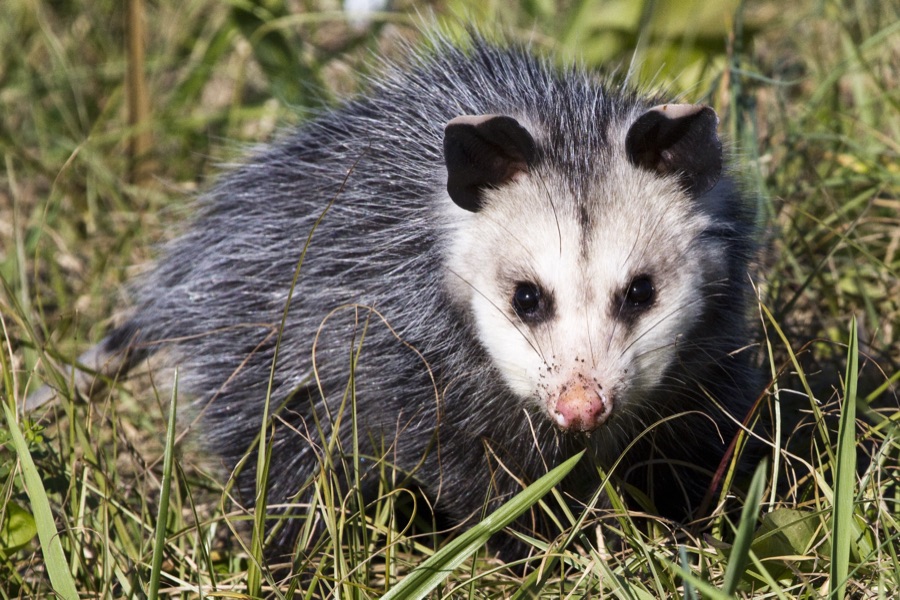
The Virginia opossum, North America's only marsupial, often becomes a nuisance by nesting under decks or sheds and raiding garbage. Delaying action can lead to property damage and health risks. Licensed wildlife removal professionals offer the safest, most effective solution to handle these challenges.
Identifying Opossums
The Virginia opossum, often simply called the possum, is a unique creature that stands out as North America’s only marsupial. Typically ranging in size from 4 to 15 pounds, these animals are about the size of a large house cat. They have a distinctive appearance with a pointed snout, small, round ears, and a long, hairless tail that is prehensile, meaning it can grasp objects and help them balance while climbing. Their fur is generally grayish-white, though it can vary from almost black to silver-gray. The opossum’s face is often lighter in color, with dark eyes and a pink nose. At night, homeowners might hear the sounds of an opossum moving around their property. These nocturnal creatures are relatively quiet but can make various noises when they are active. You might hear soft rustling as they move through leaves or brush, or a gentle thumping if they are climbing trees or jumping from branch to branch. In attics or crawl spaces, the sounds of scratching and scurrying are common, especially as the opossum searches for food or creates a den. If an opossum feels threatened, it may hiss or growl, but these instances are less frequent. Identifying opossum tracks can be helpful in confirming their presence. The front foot has five toes that spread out in a fan-like pattern, with the inner toe being set slightly back and to one side. Each toe is about 0.5 inches long, making the entire track roughly 1.5 inches wide. The hind foot is larger, measuring about 2.5 inches long by 1.5 inches wide, and it has a distinctive thumb-like toe that points outward at an angle. This toe helps with climbing and grasping, and its placement in tracks can be a key identifier. Opossums often leave paired tracks, with the hind foot landing just behind or beside the front foot, creating a staggered pattern. Opossum droppings are another clear sign of their presence. These scat deposits are typically around 1 to 2 inches long and about 0.5 inches in diameter. The shape is often tubular and may be segmented, with one end sometimes pointed and the other blunt. The color can vary from light brown to dark brown or even black, depending on the opossum’s diet. Opossum droppings are usually found scattered around their activity areas, such as under decks, in crawl spaces, or near food sources like garbage bins. If you notice these distinctive signs, it’s a good indication that an opossum is making itself at home on your property.
Why Opossums Enter Your Home
The Virginia opossum, North America's only marsupial, often finds its way into human habitats due to a combination of food availability, shelter needs, and the search for warmth. These adaptable creatures are drawn to areas where they can easily access food sources such as pet food left outdoors, open garbage bins, or even garden produce. Opossums are opportunistic omnivores, meaning they will eat almost anything, from fruits and vegetables to insects, small rodents, and carrion. This dietary flexibility makes residential areas particularly appealing. When it comes to shelter, opossums seek out safe, secluded spots that mimic their natural denning sites in the wild. They are adept at finding entry points into homes, such as gaps in roof vents, damaged soffits, cracks in the foundation, and even chimneys. These entry points provide them with a secure place to nest, especially during colder months when they need protection from harsh weather conditions. Opossums are known for their ability to squeeze through small openings, making it relatively easy for them to gain access to attics, crawl spaces, and other areas beneath structures like decks and sheds. Seasonal patterns play a significant role in opossum behavior. During the fall and winter, they become more active in searching for warm, enclosed spaces to avoid the cold. This is when homeowners are most likely to encounter opossums inside their homes or under their porches. While these animals are generally non-aggressive and will often play dead when threatened, their presence can still cause structural damage and pose health risks due to potential parasites and diseases. Professional exclusion services are essential for effectively addressing opossum issues. Simply removing the animal without securing entry points is a temporary solution that leaves your home vulnerable to future invasions. Exclusion involves identifying and sealing all possible entry points with durable materials, ensuring that no other wildlife can enter. Additionally, professionals can provide advice on how to reduce attractants around your property, such as securing garbage bins and removing food sources. By combining removal with exclusion, you can create a long-term solution that keeps opossums and other wildlife at bay.
Damage Opossums Cause
The Virginia opossum, while generally non-aggressive, can cause significant damage to homes when it takes up residence in or around structures. One common issue is their tendency to seek shelter under decks, sheds, and even within crawl spaces. Over time, these areas can become heavily contaminated with urine and feces, leading to foul odors that permeate the home. The opossum's habit of digging and burrowing can also compromise the structural integrity of these spaces, weakening support beams and causing damage to foundations. Insulation is another frequent target; as opossums move through attics or walls, they often tear and compress insulation, reducing its effectiveness and increasing energy costs for homeowners. Beyond physical damage, opossums pose health risks due to the diseases and parasites they can carry. They are known carriers of leptospirosis, a bacterial disease that can cause kidney and liver failure in humans if left untreated. Additionally, opossums often harbor fleas, ticks, and mites, which can infest pets and people living in the home. These parasites not only cause discomfort but can also transmit diseases like Lyme disease and murine typhus. The longer an opossum infestation persists, the more extensive the damage becomes, as the accumulation of waste products and the continuous disturbance of structural elements can lead to costly repairs and health hazards that are increasingly difficult to mitigate.
How to Remove Opossums
When dealing with opossums in residential areas, licensed wildlife removal contractors start by conducting a thorough initial inspection of the property. This involves identifying entry points, such as gaps under decks or sheds, and assessing any damage to structures like crawl spaces. The contractor will also look for signs of recent activity, including tracks, droppings, and food remnants. Understanding the extent of the opossum’s presence is crucial for determining the most effective removal strategy. The primary method used by professionals for removing opossums is live trapping. This involves setting humane traps baited with foods that attract opossums, such as fruit or pet food. Once an opossum is captured, it can be safely relocated to a suitable habitat away from residential areas. In some cases, exclusion devices like one-way doors may be installed at entry points to allow the opossum to leave but prevent re-entry. These methods are chosen for their effectiveness and humane treatment of the animals. It's important to note that legal requirements vary by location; permits may be needed for trapping and relocating opossums, and there are often specific rules about how far the animal must be moved from its original site. In some states, opossums are protected species during certain times of the year, which can affect when removal is allowed. After the opossum has been removed, a crucial step in the process is cleanup and sanitization. Opossum droppings can harbor parasites and diseases that pose health risks to humans and pets. Contractors will clean and disinfect any areas contaminated by the opossum’s presence, ensuring that all traces of urine and feces are thoroughly eliminated. They may also recommend repairs to prevent future wildlife intrusions, such as sealing entry points with sturdy materials like hardware cloth or metal flashing. DIY attempts at removing opossums often fail because amateurs lack the necessary expertise and equipment. Additionally, many jurisdictions have strict regulations that make it illegal for unlicensed individuals to trap and relocate wildlife, which can result in fines or other legal consequences. Professional contractors are trained to handle these situations safely and legally, ensuring both the safety of the property owners and the welfare of the animals involved.
Need opossum removal?
Speak with a licensed wildlife removal contractor in your area — free, no obligation.
📞 (888) 217-6838This site is a free service to assist homeowners in connecting with local service providers. All contractors/providers are independent and this site does not warrant or guarantee any work performed. It is the responsibility of the homeowner to verify that the hired contractor furnishes the necessary license and insurance required for the work being performed. All persons depicted in a photo or video are actors or models and not contractors listed on this site.
Opossum Prevention Tips
To effectively prevent opossum infestations, homeowners should start by sealing off any potential entry points around their property. Opossums are adept climbers and can squeeze through surprisingly small gaps, so it's crucial to inspect the perimeter of your home for openings larger than one inch in diameter. Use sturdy materials like hardware cloth or metal flashing to cover these gaps, especially under decks, sheds, and around foundations. Ensure that any vents leading into crawl spaces are securely covered with fine-mesh screens to prevent opossums from gaining access. Additionally, check for loose or damaged roof shingles and seal any gaps where pipes or cables enter the house. These measures not only deter opossums but also help keep other wildlife at bay. Securing food sources is another critical step in preventing opossum infestations. Opossums are opportunistic feeders, often attracted to homes by accessible garbage and pet food. Use heavy-duty trash cans with tight-fitting lids or bungee cords to secure them shut. Store pet food indoors or in sealed containers, and avoid leaving it out overnight. Additionally, clean up fallen fruit from trees and remove any birdseed that may have spilled onto the ground. Modifying your property's habitat can also make it less appealing to opossums. Remove piles of brush, wood, and debris where they might seek shelter. Keep grass trimmed short and prune shrubs and bushes to eliminate hiding spots. Regularly monitor your property for signs of opossum activity, such as tracks or droppings, and address any issues promptly to maintain a wildlife-free environment.
State Licensing Requirements
In Texas, anyone engaging in opossum removal must hold a TPCL (Texas Pesticide/Pest Control License) issued by the Texas Department of Agriculture. This license ensures that operators are knowledgeable about safe and effective methods to remove pests from structures without causing harm to people or property. In New York, the process is slightly different; wildlife control professionals must obtain a DEC Nuisance Wildlife Control Operator (NWCO) permit from the state’s Department of Environmental Conservation. This permit authorizes individuals to handle and relocate nuisance wildlife like opossums while adhering to strict regulations designed to protect both people and animals. Connecticut, on the other hand, requires certification from the Department of Energy and Environmental Protection (DEEP) for wildlife control activities, ensuring that contractors are well-versed in humane and legal methods of animal removal. Hiring a licensed contractor is crucial because it ensures compliance with state laws and regulations, which can vary widely by location. Unlicensed removal can result in hefty fines and legal troubles, especially since many states have specific rules about protected species and the proper disposal of animals. Licensed professionals are trained to handle these situations with expertise, ensuring that both the safety of the public and the welfare of the wildlife are maintained.
Wondering what this will cost?
See our complete opossum removal cost guide →Frequently Asked Questions
How much does it typically cost to remove an opossum from my property?
The cost of opossum removal can vary based on factors such as the complexity of the situation and the extent of any damage. On average, you can expect to pay between $100 and $300 for professional opossum removal services. For an accurate estimate, contact a licensed wildlife removal contractor in your area.
Can I remove an opossum from my property myself, or should I call a professional?
While it is possible to attempt DIY opossum removal, it can be challenging and potentially unsafe. Opossums can carry diseases and may become aggressive if cornered. Professional wildlife removal contractors have the experience and equipment to safely and effectively remove opossums from your property.
How long does it take for a professional to remove an opossum once I call them?
The timeline for opossum removal can vary depending on the contractor's schedule and the specifics of your situation. Generally, a licensed wildlife removal contractor will aim to visit your property within 24-48 hours of your initial call. Once on-site, they can typically complete the removal process in a few hours.
What should I do if I find an opossum living under my deck or shed?
If you discover an opossum under your deck or shed, it's best to avoid approaching it. Opossums can be startled and may react defensively. Contact a licensed wildlife removal contractor who can safely remove the opossum and provide advice on preventing future intrusions.
Are there any legal considerations I should be aware of when dealing with an opossum on my property?
In many areas, it is illegal to relocate or harm certain wildlife species without a permit. Opossums are protected in some states, so it's important to check local regulations. A licensed wildlife removal contractor can ensure that any actions taken comply with local laws and regulations.
Find a Licensed Opossum Removal Contractor
Browse our directory of licensed pest control and wildlife removal professionals across TX, NY, CT, and all 50 states.
Search by State →