How to Get Rid of Raccoons: A Complete Removal Guide
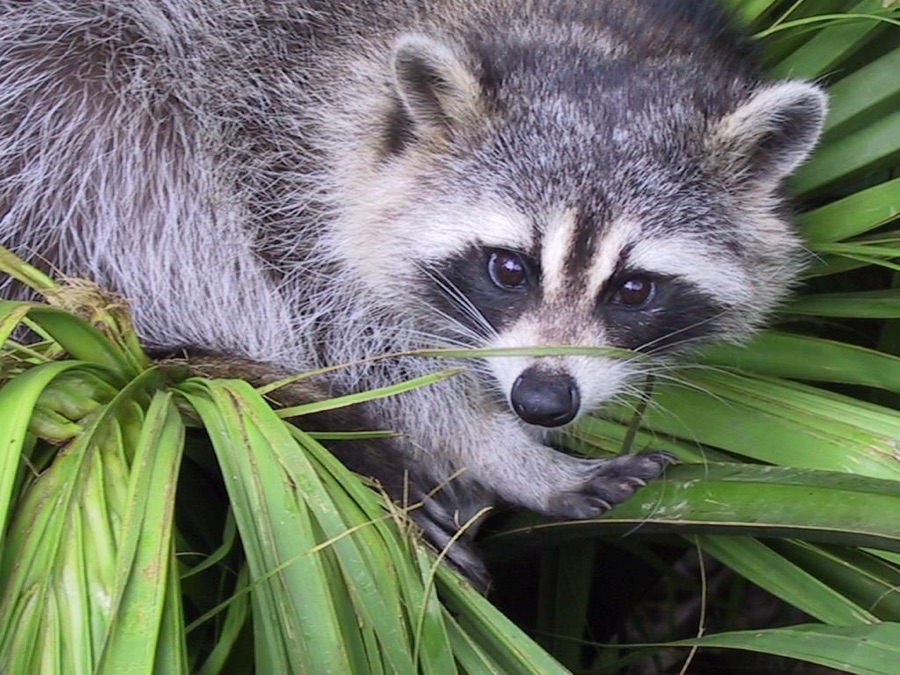
Raccoons often invade attics and raid garbage, causing significant damage. Delaying action can lead to more extensive property harm and higher costs. Licensed wildlife removal experts offer safe, effective solutions to these common nuisances.
Identifying Raccoons
Raccoons are easily recognizable by their unique appearance. These medium-sized mammals typically weigh between 10 to 30 pounds and measure about 24 to 38 inches in length from nose to tail tip. Their most distinctive feature is the black mask that spans across their eyes, giving them a mischievous look. The fur on their body is usually grayish-brown, but it can vary from albino white to cinnamon brown. One of the most notable aspects of a raccoon's appearance is its bushy tail, which is marked with alternating light and dark rings. This tail can be as long as 12 inches and serves both for balance and communication. At night, homeowners often hear the telltale signs of raccoons in their attics or around their homes. The sounds made by these nocturnal creatures include chirping, hissing, growling, and even purring. In attics, you might hear scratching, scurrying, or thumping as they move about, especially during the night when they are most active. These noises can be quite loud, particularly if a raccoon has set up a den in your attic space. If you suspect a raccoon is living in your home, these sounds will typically increase in frequency and volume over time. Raccoon tracks are another clear indicator of their presence. Their front paws have five long, slender toes that resemble human hands, making it easy to identify them as distinct from other animals. Each toe ends in a sharp claw, which can leave visible marks in soft soil or snow. The hind feet are longer and more robust, also with five toes, but they tend to be more spread out compared to the front paws. A raccoon's footprint is roughly 3 inches long and 2 inches wide, similar in size to a human child’s handprint. These tracks can often be found near food sources, water bodies, or along their travel routes. Raccoon droppings, known as scat, are another key sign of their activity. Raccoons tend to use specific areas called latrines for defecation, which can be found in attics, on roofs, in garages, or near the base of trees. The scat is usually dark and tubular, measuring about 3 to 5 inches long and around half an inch in diameter. It often contains undigested bits of food such as seeds, fur, or insect parts, which can help identify their diet. Fresh droppings are moist and shiny, while older ones become dry and crumbly. If you find these signs, it’s a strong indication that raccoons are frequenting your property.
Why Raccoons Enter Your Home
Raccoons are skilled climbers and adept at finding their way into homes, particularly attics, which offer the perfect combination of shelter, warmth, and safety from predators. These nocturnal creatures are drawn to human dwellings by a variety of factors, but primarily they seek out food sources and secure nesting sites. Garbage cans left unsecured or pet food left outdoors can be irresistible to raccoons, who have dexterous paws that allow them to open complex containers with ease. Once they discover an easy meal, they are likely to return repeatedly, leading to more persistent visits. When it comes to entering homes, raccoons often exploit vulnerabilities in the structure. They can squeeze through surprisingly small openings, such as gaps in roof vents, damaged soffits, and cracks in fascia boards. Chimneys without caps are especially vulnerable, providing a direct route into the attic or living spaces below. Raccoons are also known to push aside loose shingles or pry open vents with their strong, nimble paws. These entry points not only allow raccoons to gain access but can also lead to further damage as they widen gaps and create more pathways for future intrusions. Seasonally, raccoons are most active in the spring and fall, when females are seeking safe places to give birth and raise their young, and food sources may be more abundant. While trapping and removing a raccoon might seem like a quick fix, it often fails to address the underlying issues that attracted the animal in the first place. Professional exclusion services are crucial for preventing future invasions. These experts can identify all potential entry points, seal them securely, and implement long-term solutions to make your home less appealing to wildlife. Additionally, they ensure that any trapped animals are handled humanely and in compliance with local laws, which often have strict regulations regarding the relocation of raccoons. By addressing both the immediate problem and the structural vulnerabilities, professional exclusion provides a comprehensive solution to keep your home safe and free from unwanted visitors.
Damage Raccoons Cause
Raccoons are notorious for their ability to invade attics and other parts of homes, causing a range of significant damages. Once they find an entry point, usually through gaps in the roof or loose soffits, raccoons can widen these openings with their strong, dexterous paws. This not only allows them easy access but also creates vulnerabilities that can lead to water leaks and further structural damage over time. Inside the attic, raccoons often tear up insulation to create nests, reducing its effectiveness and increasing heating and cooling costs. The contaminated insulation can also pose health risks as it accumulates urine, feces, and other organic matter, which can release harmful pathogens into the air. The longer a raccoon infestation persists, the more severe the damage becomes. Raccoons are known to chew on electrical wires, creating fire hazards that can put homes at risk of serious structural fires. Additionally, their droppings can harbor diseases such as raccoon roundworm (Baylisascaris procyonis), which is highly dangerous if ingested by humans or pets. The accumulation of urine and feces also attracts other pests like insects and rodents, further complicating the infestation. As raccoons continue to use an attic as a den, they may bring in nesting materials and food debris, leading to additional contamination and potential mold growth. Addressing these issues promptly is crucial to prevent extensive damage and ensure the safety and health of the household.
How to Remove Raccoons
When faced with a raccoon problem, the first step for licensed wildlife removal contractors is to conduct an initial inspection of the property. This involves carefully examining areas where raccoons might be nesting, such as attics, chimneys, and crawl spaces. The contractor will look for signs of entry points, droppings, and any damage caused by the animals. During this assessment, they also determine the number of raccoons present and whether there are any young involved, which can significantly influence the removal strategy. This thorough inspection helps in planning an effective and humane approach to resolving the issue. Once the initial inspection is complete, licensed contractors use a variety of methods to remove raccoons safely and legally. Live trapping is one of the most common techniques, where traps are set in areas frequented by the animals. These traps are designed to capture raccoons without causing harm, allowing for their relocation to suitable habitats away from human settlements. Exclusion devices, such as one-way doors, can also be installed at entry points to allow raccoons to leave but prevent them from re-entering. For larger infestations or colonies, colony exclusion methods might be employed, which involve a combination of trapping and exclusion techniques to ensure all animals are removed. Throughout the process, contractors must adhere to local regulations and obtain any necessary permits, as raccoons are protected in many states, and improper handling can result in legal penalties. After the raccoons have been successfully removed, the next crucial step is cleanup and sanitization. Raccoon droppings can harbor harmful parasites and bacteria, such as Baylisascaris procyonis (raccoon roundworm), which pose serious health risks to humans and pets. Contractors use specialized equipment to clean and sanitize affected areas, ensuring that all traces of feces, urine, and nesting materials are thoroughly removed. They may also repair any damage caused by the raccoons, such as sealing entry points to prevent future invasions. DIY attempts at raccoon removal often fail because they lack the expertise and tools needed for humane and effective trapping, and can be illegal due to the protected status of raccoons in many areas. Additionally, improper handling can lead to injury or disease transmission, making it essential to rely on licensed professionals who are trained and equipped to handle these situations safely and legally.
Need raccoon removal?
Speak with a licensed wildlife removal contractor in your area — free, no obligation.
📞 (888) 217-6838This site is a free service to assist homeowners in connecting with local service providers. All contractors/providers are independent and this site does not warrant or guarantee any work performed. It is the responsibility of the homeowner to verify that the hired contractor furnishes the necessary license and insurance required for the work being performed. All persons depicted in a photo or video are actors or models and not contractors listed on this site.
Raccoon Prevention Tips
Preventing raccoon infestations starts with securing your home against these clever critters. Raccoons are skilled at finding small openings to gain access to attics and other cozy spaces. To keep them out, homeowners should inspect the exterior of their homes for gaps larger than 2 inches in diameter, as these can serve as entry points. Use sturdy materials like 1/4-inch hardware cloth or metal flashing to seal any potential gaps around chimneys, vents, eaves, and rooflines. Ensure that all doors, including garage doors, fit tightly and are securely closed at night. Additionally, installing a chimney cap can prevent raccoons from entering through the fireplace. Securing food sources is another crucial step in deterring raccoons. Keep garbage cans tightly sealed with bungee cords or use animal-proof containers to prevent raccoons from rummaging through your trash. If you have pets, feed them indoors and remove any uneaten food promptly. In rural areas, securing chicken coops and other small animal enclosures is essential. Modifying the habitat around your home can also make it less attractive to raccoons. Clear away brush, woodpiles, and debris where they might seek shelter. Trim overhanging tree branches that provide easy access to your roof. Regularly monitor your property for signs of raccoon activity, such as droppings or tracks, and address any issues promptly to prevent a full-blown infestation.
State Licensing Requirements
State regulations for raccoon removal vary widely, reflecting the need to balance wildlife protection with public safety and property concerns. In Texas, individuals engaging in raccoon removal must obtain a TPCL (Texas Pesticide/Pest Control License) from the Texas Department of Agriculture (TDA). This license ensures that structural pest operators are trained in safe and effective methods for dealing with nuisance animals like raccoons. Similarly, in New York, wildlife removal professionals must acquire a DEC Nuisance Wildlife Control Operator (NWCO) permit from the state’s Department of Environmental Conservation. This permit is essential for legally trapping and relocating raccoons, as it ensures that operators are knowledgeable about local wildlife laws and humane handling practices. In Connecticut, the Department of Energy and Environmental Protection (DEEP) requires certification for wildlife control, which includes training in species identification, legal compliance, and ethical treatment of animals. Hiring a licensed contractor is crucial because unlicensed removal can result in significant fines and legal repercussions. Raccoons are protected in many states, and improper handling or disposal can lead to violations of wildlife protection laws. Licensed professionals are well-versed in these regulations and have the necessary skills to ensure that raccoons are removed safely and humanely, reducing the risk of harm to both the animals and property owners.
Wondering what this will cost?
See our complete raccoon removal cost guide →Frequently Asked Questions
How much does it typically cost to remove raccoons from my attic?
The cost of raccoon removal can vary depending on the extent of the infestation and any necessary repairs. On average, homeowners can expect to pay between $200 and $800 for professional services. For a precise estimate, it's best to contact a licensed wildlife removal contractor in your area.
Can I remove raccoons from my attic myself, or should I hire a professional?
While you can attempt DIY methods, such as setting traps and using deterrents, raccoons are strong, intelligent, and can be aggressive. Hiring a licensed wildlife removal contractor is recommended to ensure the process is done safely and legally, especially since raccoons are protected in many states.
How long does it take to remove raccoons from my property?
The timeline for raccoon removal can vary. In simple cases, it may take just a few days to trap and remove the animals. However, if there are multiple raccoons or if they have caused significant damage, the process could take up to a week or more. A professional contractor can provide a more accurate timeline after an initial inspection.
What should I do if I find baby raccoons in my attic?
If you discover baby raccoons, it's important to avoid disturbing them and their mother. Raccoon mothers are very protective, and separating them can lead to further issues. Contact a licensed wildlife removal contractor who can safely and humanely remove the family while ensuring compliance with local laws.
Are there any legal restrictions on removing raccoons from my property?
Raccoons are protected in many states, which means specific regulations apply to their removal. It's illegal to relocate or harm them without a permit in some areas. Always consult with a licensed wildlife removal contractor to ensure you follow local laws and avoid fines or other penalties.
Find a Licensed Raccoon Removal Contractor
Browse our directory of licensed pest control and wildlife removal professionals across TX, NY, CT, and all 50 states.
Search by State →