How to Get Rid of Rodent (Rat & Mouse)s: A Complete Removal Guide
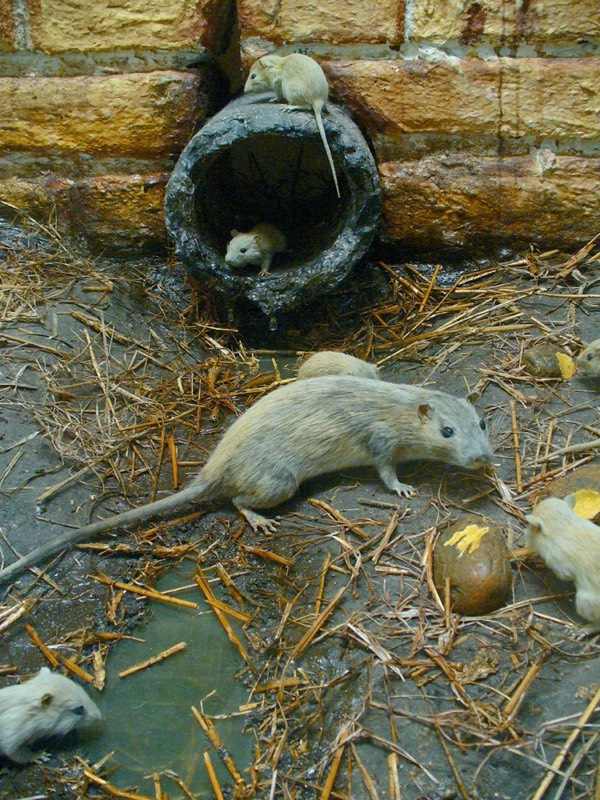
Norway rats, roof rats, and house mice can quickly turn your home into a hazardous environment by chewing through wires, contaminating food, and exploiting tiny entry points. Delaying action increases fire risks and infestation severity; licensed wildlife removal contractors offer the expertise needed to safely and effectively address these issues.
Identifying Rodent (Rat & Mouse)s
Identifying rodents like the Norway rat, roof rat, and house mouse can be crucial for homeowners dealing with infestations. The Norway rat is a robust creature, typically weighing between 7 to 18 ounces, with a body length of about 7 to 9 inches, excluding its tail. Its fur is usually brown or grayish-brown, often mixed with black hairs, and it has a blunt nose, small ears, and a scaly, almost hairless tail that is shorter than the combined head and body length. In contrast, the roof rat is more slender and lighter, weighing around 5 to 10 ounces. It has a sleeker, darker coat, often black or dark brown, with larger ears and eyes, and a longer, scaly tail that exceeds its body length. The house mouse, on the other hand, is much smaller, typically weighing only 0.5 to 1 ounce, with a body length of about 2.5 to 3.5 inches. Its fur can be gray, brown, or black, and it has a pointed nose, small eyes, and large ears relative to its size. At night, the sounds of rodents can often give away their presence. Norway rats and roof rats are known for their scurrying and scratching noises as they move through walls, attics, or basements. These sounds are usually more pronounced at night when these nocturnal creatures are most active. House mice, being smaller and lighter, may produce softer, higher-pitched squeaks or rustling sounds as they navigate through small spaces. Homeowners might also hear gnawing noises, which can be a significant concern due to the risk of damage to wires and structural components. Tracks and footprints left by rodents can provide valuable clues about their identity and movement patterns. Norway rats leave larger prints with four toes on the front feet and five on the hind feet. The prints are typically 3/4 to 1 inch long, and the tail drag marks between the footprints can be quite noticeable. Roof rats have slightly smaller prints, around 1/2 to 3/4 inch long, with a similar toe pattern but often more delicate in appearance. House mice leave very small tracks, about 1/8 to 1/4 inch long, and their tail drag marks are usually lighter due to their smaller size. These tracks can be found on dusty surfaces or in areas where the rodents have been walking through dirt or other debris. Droppings are another key indicator of rodent activity. Norway rat droppings are about 3/4 inch long, cylindrical, and blunt at both ends. They are often dark brown or black and can be found scattered along runways, near food sources, or in nesting areas. Roof rat droppings are slightly smaller, around 1/2 to 3/4 inch long, with a more tapered shape and sometimes a shiny appearance. House mouse droppings are much smaller, about 1/8 to 1/4 inch long, and resemble tiny grains of rice. They are usually dark in color and can be found in clusters near food sources or along travel paths. Regular inspection for these signs can help homeowners detect and address rodent infestations before they become more severe.
Why Rodent (Rat & Mouse)s Enter Your Home
Norway rats, roof rats, and house mice are adept at finding their way into homes, driven by the promise of food, shelter, and warmth. These rodents are particularly attracted to environments that offer easy access to these essentials. Food sources like open garbage bins, pet food left outdoors, or even crumbs in kitchen areas can lure them inside. They seek out cozy, secluded spots for nesting, such as attics, wall voids, and crawl spaces, where they can raise their young without disturbance. The warmth of a home is especially appealing during colder months, making fall and winter peak seasons for rodent invasions. Rodents are incredibly resourceful when it comes to finding entry points. They can squeeze through gaps as small as a quarter inch, which means even the tiniest cracks or openings in your home's structure can serve as entryways. Common entry points include roof vents, soffits, and gaps in fascia boards, where they can easily climb up and find their way inside. Foundation cracks, damaged window screens, and poorly sealed doors are also prime spots for these pests to exploit. Chimneys, with their open access to the attic or living spaces, are particularly vulnerable. While trapping and removing rodents is a crucial step in addressing an infestation, it's only part of the solution. Professional exclusion services are essential to prevent future invasions. These experts can identify and seal all potential entry points, using materials that are resistant to rodent gnawing. They also assess your home for conditions that might attract rodents, such as food sources or cluttered areas, and provide recommendations to make your property less appealing. By addressing both the immediate problem and the underlying issues, professional exclusion ensures a long-term solution to keep your home rodent-free.
Damage Rodent (Rat & Mouse)s Cause
Rodents such as Norway rats, roof rats, and house mice can wreak havoc on a home's structure and safety. These pests are notorious for their relentless gnawing habits, which can lead to significant structural damage over time. Rats and mice have strong, sharp teeth that they use to chew through a variety of materials, including wood, plastic, and even metal. This behavior is not just destructive; it poses serious fire hazards when rodents gnaw on electrical wires, potentially causing short circuits or sparking fires. Additionally, their constant gnawing can weaken the integrity of walls, floors, and ceilings, leading to costly repairs. Insulation is another common target for these pests, as they often nest in attic spaces and wall voids. Damaged insulation not only reduces energy efficiency but also creates entry points for other pests. Beyond structural damage, rodents pose significant health risks to homeowners and their families. Rats and mice are known carriers of various diseases, including hantavirus, leptospirosis, and salmonellosis, which can be transmitted through their urine, droppings, and saliva. These pathogens can contaminate food stored in pantries and kitchens, leading to serious illness if ingested. Moreover, rodents often harbor parasites such as fleas, ticks, and mites, which can infest a home and spread additional diseases. The longer an infestation persists, the more extensive the damage becomes, as these pests breed rapidly and their numbers can quickly grow out of control. Early detection and intervention are crucial to minimizing the impact of rodent infestations on both property and health.
How to Remove Rodent (Rat & Mouse)s
When faced with a rodent infestation, licensed wildlife removal contractors begin the process with an initial inspection to assess the extent of the problem. They carefully examine your property for signs of activity such as droppings, gnaw marks, and nesting materials. The contractor will also identify entry points where rodents are gaining access, which can be as small as a quarter-inch gap. This thorough assessment helps in determining the most effective removal strategy and ensures that all areas of concern are addressed. For the actual removal, contractors employ various methods depending on the specific situation. Live trapping is a common approach, especially for smaller infestations or when dealing with sensitive environments like homes with pets or small children. Traps are strategically placed along rodent travel paths to capture them without harm. For larger colonies, exclusion devices and one-way doors may be used. These tools allow rodents to exit the structure but prevent them from re-entering. In some cases, colony exclusion involves sealing entry points while ensuring all residents have left the area. Throughout this process, contractors adhere to legal requirements, which can include obtaining permits for certain activities and following relocation rules to ensure humane treatment of the animals. It's important to note that in some regions, specific species may be protected, and their removal must comply with local wildlife regulations. After the rodents are removed, a crucial step is cleanup and sanitization. Rodents leave behind droppings, urine, and nesting materials that can pose health risks and attract new infestations. Contractors use specialized equipment to clean and sanitize affected areas, eliminating odors and potential pathogens. They also repair any damage caused by rodent activity, such as chewed wires or gnawed wood, which helps prevent future issues. DIY attempts at rodent removal often fail because they lack the expertise and tools needed for a thorough job. These efforts can inadvertently trap rodents inside walls or create other hazards. Additionally, some DIY methods may be illegal, particularly if they involve inhumane practices or violate local wildlife laws. Professional contractors ensure that all actions are legal, safe, and effective, providing long-term solutions to rodent infestations.
Need rodent (rat & mouse) removal?
Speak with a licensed wildlife removal contractor in your area — free, no obligation.
📞 (888) 217-6838This site is a free service to assist homeowners in connecting with local service providers. All contractors/providers are independent and this site does not warrant or guarantee any work performed. It is the responsibility of the homeowner to verify that the hired contractor furnishes the necessary license and insurance required for the work being performed. All persons depicted in a photo or video are actors or models and not contractors listed on this site.
Rodent (Rat & Mouse) Prevention Tips
Preventing rodent infestations starts with sealing off any potential entry points around your home. Rats can squeeze through gaps as small as a quarter of an inch, while mice can fit through even smaller openings. To effectively seal these gaps, use materials like steel wool, caulk, and hardware cloth. Steel wool is particularly effective for temporary fixes because it’s abrasive to the rodents' teeth, deterring them from gnawing through. For more permanent solutions, apply caulk around windows, doors, and any other small openings. Hardware cloth can be used to cover larger gaps, such as those found around pipes or vents. Additionally, ensure that all door sweeps are in good condition and that there are no cracks in the foundation or walls. Securing food sources is another crucial step in preventing rodent infestations. Store all food items, including pet food, in airtight containers made of metal or thick plastic to prevent rodents from gnawing through them. Clean up any spilled food immediately and keep your kitchen and dining areas free of crumbs. Garbage should be stored in sealed bins with tight-fitting lids, both indoors and outdoors. Modify the habitat around your home by keeping vegetation trimmed back, removing debris piles, and ensuring that firewood is stored at least 18 inches off the ground and away from the house. Regularly inspect your property for signs of rodent activity, such as droppings or gnaw marks, and address any issues promptly to prevent a full-blown infestation.
State Licensing Requirements
In Texas, individuals or companies engaged in rodent removal must obtain a TPCL, or Texas Pesticide/Pest Control License, from the Texas Department of Agriculture (TDA). This license ensures that pest control operators have the necessary knowledge and skills to safely and effectively manage infestations, including understanding the risks associated with using pesticides. In New York, while rodent removal is not typically considered wildlife management, a DEC Nuisance Wildlife Control Operator (NWCO) permit is required for any wildlife removal activities, which can sometimes overlap with pest control services. This permit ensures that operators are familiar with state regulations and humane handling practices. Connecticut, on the other hand, requires DEEP certification for wildlife control, ensuring that professionals are well-versed in local laws and best practices. Hiring a licensed contractor is crucial because it protects both the property owner and the environment. Unlicensed removal can result in significant fines and legal issues, especially if protected species are involved or if improper disposal methods are used. Licensed contractors adhere to strict guidelines, ensuring that rodents are removed safely and legally, reducing the risk of contamination, structural damage, and health hazards. They also have the expertise to address the root causes of infestations, preventing future problems and ensuring long-term solutions.
Wondering what this will cost?
See our complete rodent (rat & mouse) removal cost guide →Frequently Asked Questions
How can I tell if I have rats or mice in my home?
To identify whether you have rats or mice, look for droppings; rat droppings are larger (about 3/4 inch) and more capsule-shaped, while mouse droppings are smaller (1/8 to 1/4 inch) and pointed. You can also listen for scratching sounds in walls—rats tend to make louder noises. If you're unsure, a licensed wildlife removal contractor can help identify the species and recommend appropriate solutions.
What are the risks of having rodents in my home?
Rodents pose several risks, including chewing through wires (which can cause fire hazards), contaminating food supplies, and spreading diseases such as hantavirus and salmonella. They can also damage your home's structure by gnawing on wood and insulation. For these reasons, it's important to address rodent infestations promptly by calling a licensed contractor.
How much does professional rodent removal cost?
The cost of professional rodent removal can vary depending on the extent of the infestation, the size of your home, and the specific services required. On average, you can expect to pay between $250 and $700 for a standard job. For an accurate quote, contact a licensed wildlife removal contractor who can assess your situation.
Should I try DIY rodent control or hire a professional?
While DIY methods like traps and baits can be effective for small infestations, they may not address the root cause of the problem. Professional contractors have the expertise to identify entry points, remove nests, and prevent future infestations. If you suspect a significant infestation or have tried DIY methods without success, it's best to call a licensed professional.
How long does it typically take to get rid of rodents?
The timeline for rodent removal can vary depending on the severity of the infestation and the methods used. In many cases, initial control measures can be implemented within a few days, but complete eradication and prevention may take several weeks. A licensed wildlife removal contractor can provide a more precise estimate after assessing your specific situation.
Find a Licensed Rodent (Rat & Mouse) Removal Contractor
Browse our directory of licensed pest control and wildlife removal professionals across TX, NY, CT, and all 50 states.
Search by State →