How to Get Rid of Skunks: A Complete Removal Guide
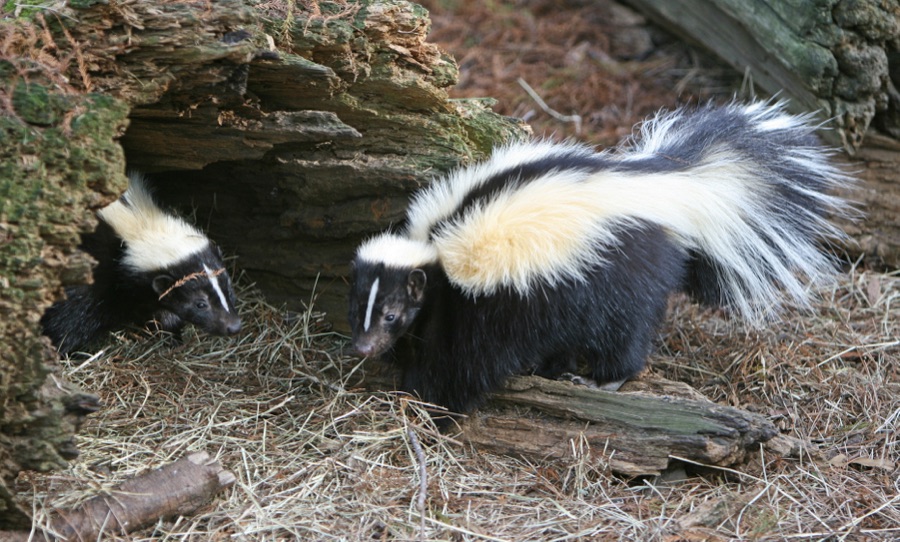
Striped skunks, known for their striking black-and-white coats and potent spray, often burrow under porches or sheds, causing structural damage and unpleasant odors. Delaying action can lead to more extensive issues and increased risks, especially since skunks are rabies vector species in many areas. For safe and effective removal, it’s crucial to call licensed professionals who have the expertise to handle these situations with care and precision.
Identifying Skunks
Identifying a striped skunk (Mephitis mephitis) can be relatively straightforward due to its distinctive appearance and behavior. These animals typically weigh between 6 and 14 pounds, making them about the size of a house cat but with a more robust build. The most recognizable feature is their black-and-white coloring, which often includes a white stripe running from the head down the back, splitting into two stripes that extend to the tail. The white markings can vary in width and length, sometimes forming a V-shape or appearing as spots on the face. The skunk's tail is bushy and usually has a mix of black and white fur. At night, homeowners might hear skunks moving around their property. Skunks are primarily nocturnal, and their activities often include rustling in leaves, digging for insects, or scratching at potential den sites like under porches or sheds. If you suspect a skunk is living under your porch, you might hear soft thumping or scraping sounds as it moves about or digs. In rare cases, if a skunk has managed to get into an attic or crawl space, the sounds can be more muffled but still noticeable, especially during the night. Tracks and footprints are another reliable way to identify skunks. Skunk tracks are typically 1.5 to 2 inches long and about 1 inch wide. The front feet have five toes with short, curved claws that often leave distinct marks in soft soil or mud. The hind feet are similar but slightly larger, with more pronounced heel prints. When walking, skunks tend to place their hind foot directly over the track of their front foot, creating a pattern that can be recognized as a series of overlapping prints. These tracks might be found near food sources, along paths leading to potential den sites, or in areas where the ground is soft and easily marked. Skunk droppings are also distinctive and can help confirm their presence. The feces are usually 1/4 to 1/2 inch in diameter and about 3 to 5 inches long. They often have a segmented appearance and may contain undigested bits of insects, berries, or other food items. Skunks tend to defecate in the same areas repeatedly, creating small piles that can be found near their dens, along paths they frequently use, or in open areas where they forage. If you notice these droppings around your property, it's a strong indicator that skunks are active nearby.
Why Skunks Enter Your Home
Striped skunks are drawn to homes by a combination of readily available food sources, secure shelter, and the warmth that buildings provide, especially during colder months. These animals have a keen sense of smell and can easily detect unsecured garbage, pet food left outdoors, or even insects and small rodents that may be present around a property. Once they identify these attractants, skunks will often investigate further, looking for entry points to gain access to the safety and comfort of a home’s structure. Common entry points include roof vents, soffits, gaps in fascia boards, foundation cracks, and chimneys. Skunks are adept at squeezing through small openings and can cause significant damage as they burrow or dig their way inside. Seasonal patterns play a crucial role in skunk behavior around homes. In the fall and winter, skunks seek out warm, protected areas to den and conserve energy during colder temperatures. Porches, sheds, and crawl spaces under buildings provide ideal conditions for nesting and hibernation. During spring and summer, female skunks may use these same areas to give birth and raise their young, further complicating the situation. Professional exclusion services are essential not only for removing skunks but also for preventing future infestations. Simply trapping and relocating a skunk without addressing the underlying issues can lead to new animals moving in shortly after. Skilled wildlife contractors will identify and seal all potential entry points, install barriers to deter digging, and ensure that food sources are eliminated or secured. This comprehensive approach ensures long-term protection for your home and helps maintain a safe environment for both residents and wildlife.
Damage Skunks Cause
Striped skunks are notorious for causing significant structural damage when they burrow under porches, sheds, and foundations. These animals use their strong front claws to dig extensive tunnels and dens, which can undermine the stability of these structures. Over time, this undermining can lead to cracks in concrete slabs, weakened support beams, and even shifting or sinking of the foundation itself. The damage is not limited to just the structural integrity; skunks often leave behind a trail of waste and urine that can contaminate insulation, leading to unpleasant odors and reduced energy efficiency. This contamination can also create ideal conditions for mold growth, posing additional health risks to residents. In addition to structural issues, skunks pose serious health risks due to their status as rabies vector species in many states. Skunk bites or scratches can transmit the virus, necessitating immediate medical attention and post-exposure prophylaxis. Moreover, skunks carry various parasites such as fleas, ticks, and mites, which can infest homes and pets, leading to skin irritations and other health problems. The presence of these parasites can persist long after the skunk has been removed, requiring thorough cleaning and pest control measures. If a skunk dies in an inaccessible area, the decomposition process can release harmful gases and attract scavengers, further complicating the situation. The longer a skunk infestation continues, the more extensive and costly the damage becomes, making prompt action crucial for mitigating these risks.
How to Remove Skunks
When dealing with a striped skunk issue, the first step for licensed wildlife removal contractors is to conduct an initial inspection of the property. This involves identifying entry points where the skunk may have burrowed under porches, sheds, or other structures. Contractors look for signs such as tracks, droppings, and disturbed soil that indicate the presence of a skunk den. They also assess the surrounding area to determine if there are any food sources attracting the skunks, such as pet food left outdoors or accessible garbage bins. Once the inspection is complete, contractors employ various methods to remove the skunks safely and humanely. Live trapping is a common technique used for individual skunks. Traps are set in areas where activity has been observed, often baited with cat food or fish-based items that attract skunks without luring other non-target animals. For larger infestations or when multiple entry points are identified, exclusion devices and one-way doors can be installed to allow skunks to exit the area but prevent them from re-entering. These methods are particularly useful during the spring and summer months when skunks may have young in their dens. Legal requirements play a crucial role in the removal process. In many states, striped skunks are considered rabies vector species, which means specific permits and protocols must be followed to ensure public safety. Contractors must obtain any necessary permits from local wildlife agencies before trapping or relocating skunks. Relocation rules vary by state, but generally, skunks can only be released within a certain distance of the capture site to prevent them from becoming a nuisance elsewhere. Additionally, some states have protected species regulations that may affect how and when skunks can be removed. After removal, contractors perform thorough cleanup and sanitization to eliminate odors and prevent future infestations. DIY attempts often fail because they lack the expertise and legal compliance required for humane and effective skunk removal. Without proper knowledge of trapping techniques and local laws, individuals risk improper handling that can lead to injury or legal consequences.
Need skunk removal?
Speak with a licensed wildlife removal contractor in your area — free, no obligation.
📞 (888) 217-6838This site is a free service to assist homeowners in connecting with local service providers. All contractors/providers are independent and this site does not warrant or guarantee any work performed. It is the responsibility of the homeowner to verify that the hired contractor furnishes the necessary license and insurance required for the work being performed. All persons depicted in a photo or video are actors or models and not contractors listed on this site.
Skunk Prevention Tips
Preventing skunk infestations starts with making your property less appealing to these striped mammals. One of the most effective methods is to seal off any potential entry points where skunks might burrow or take shelter. Focus on areas like under porches, decks, and sheds, as skunks often seek out these cozy spots for denning. Use sturdy materials such as 1/4-inch hardware cloth or welded wire mesh to block gaps larger than three inches. Ensure that the material is securely fastened with screws or heavy-duty staples, and extend it at least six to eight inches underground to prevent skunks from digging underneath. Additionally, check for any openings around foundations, vents, and utility lines, and seal these with caulk or expanding foam. Securing food sources is another crucial step in deterring skunks. Keep your garbage tightly sealed in bins with secure lids, and consider using motion-activated lights or locks to further discourage access. If you have pets, feed them indoors or remove any uneaten food promptly if feeding outdoors. Bird feeders can also attract skunks, so position them away from areas where skunks might frequent, and use squirrel-proof feeders that are less likely to spill seeds on the ground. Modify your landscape by removing dense vegetation and wood piles, which provide cover for skunks. Regularly mow your lawn and trim bushes to reduce hiding spots. Finally, ongoing monitoring is essential. Check your property periodically for signs of skunk activity, such as tracks or droppings, and address any new entry points or food sources immediately to keep these unwelcome visitors at bay.
State Licensing Requirements
State regulations for skunk removal vary widely, and it is crucial to understand the specific requirements in your area to ensure compliance with local laws. In Texas, individuals who engage in structural pest control activities, including skunk removal, must obtain a TPCL (Texas Pesticide/Pest Control License) from the Texas Department of Agriculture (TDA). This license ensures that operators are knowledgeable about safe and effective methods for managing wildlife without causing harm to people or property. In New York, the DEC Nuisance Wildlife Control Operator (NWCO) permit is required for anyone who wishes to remove skunks and other nuisance wildlife. This permit involves passing a rigorous exam and adhering to strict guidelines to protect both human safety and wildlife welfare. Connecticut, on the other hand, mandates DEEP certification for wildlife control professionals, which includes training in humane trapping techniques and proper disposal methods. Hiring a licensed contractor is essential because it ensures that the individual has met state-specific requirements and possesses the necessary expertise to handle skunk removal safely and legally. Unlicensed removal can result in significant fines and legal repercussions, as many states have strict rules regarding protected species and the humane treatment of wildlife. Additionally, licensed contractors are familiar with proper disposal requirements, which help prevent the spread of diseases like rabies and ensure that the environment remains safe for both humans and animals.
Wondering what this will cost?
See our complete skunk removal cost guide →Frequently Asked Questions
How can I tell if a skunk is living under my porch or shed?
Signs of a skunk den include strong musky odors, small holes in the soil around the foundation, and scratch marks on wood or concrete. If you suspect a skunk has made your property its home, it's best to call a licensed wildlife removal contractor for safe and humane eviction.
Can I remove a skunk from my property myself, or should I hire a professional?
While it's possible to attempt DIY skunk removal, it can be risky due to the skunk's ability to spray and potential health risks like rabies. Professional wildlife contractors have the experience and equipment to safely and humanely remove skunks without causing harm to you or the animal.
What is the average cost of professional skunk removal services?
The cost of skunk removal can vary depending on factors such as location, the extent of the infestation, and any necessary repairs. On average, homeowners can expect to pay between $150 and $400 for professional skunk removal services. For an accurate estimate, contact a licensed wildlife contractor in your area.
How long does it typically take to remove a skunk from my property?
The timeline for skunk removal can vary depending on the situation. In many cases, a professional can assess and remove the skunk within a day or two. However, if there are multiple skunks or complex entry points, the process may take longer. A licensed contractor can provide a more specific timeline after an initial inspection.
What should I do if a skunk sprays my pet?
If your pet is sprayed by a skunk, wash them immediately with a mixture of hydrogen peroxide, baking soda, and dish soap to neutralize the odor. Avoid using bleach or other harsh chemicals, as they can irritate your pet's skin. It's also advisable to consult a veterinarian to ensure your pet receives any necessary care.
Find a Licensed Skunk Removal Contractor
Browse our directory of licensed pest control and wildlife removal professionals across TX, NY, CT, and all 50 states.
Search by State →