How to Get Rid of Snakes: A Complete Removal Guide
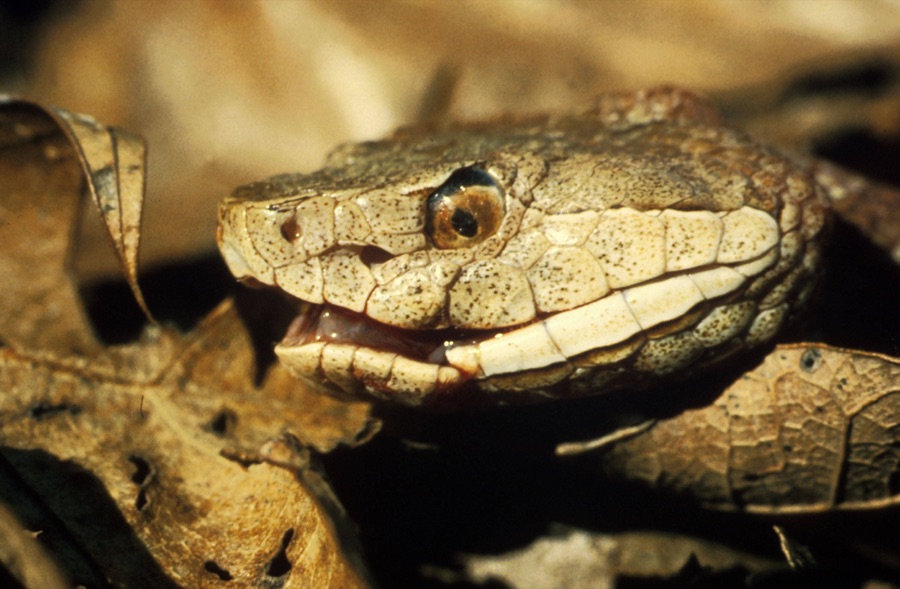
Snakes, both non-venomous and venomous, can become unwelcome guests in basements, crawl spaces, and under porches, often drawn by rodent prey. Delaying action can increase the risk of bites or legal issues, especially since many snakes are protected. Licensed professionals offer safe, effective solutions to ensure your home remains snake-free.
Identifying Snakes
Identifying snakes around your home can be a crucial step in ensuring both the safety of your family and the well-being of these often-misunderstood creatures. Non-venomous species like rat snakes, garter snakes, and king snakes are commonly encountered. Rat snakes, for instance, can grow to lengths of 3 to 5 feet and have a slender body with smooth scales. Their coloration varies, but they typically feature a gray or brown background with dark blotches that run down their backs. Garter snakes, on the other hand, are much smaller, usually ranging from 2 to 4 feet in length. They are easily recognized by their distinctive longitudinal stripes—typically one down the center of the back and two along the sides—that can be yellow, red, or white against a background that is brown, green, or black. King snakes are another non-venomous species frequently found near homes. These snakes can reach lengths of 3 to 6 feet and have a robust build with shiny scales. Their coloration is striking, often featuring bold patterns like alternating bands of black and white, red, or yellow. The contrast in their colors makes them stand out, but they are generally docile and beneficial as they prey on other snakes, including venomous ones. Venomous snakes such as copperheads, timber rattlesnakes, and cottonmouths require extra caution. Copperheads are typically 2 to 3 feet long with a thick body and distinct hourglass-shaped bands that range from brown to reddish-brown against a lighter background. Timber rattlesnakes can grow up to 5 feet in length and have a heavy, robust body. They are usually tan or yellowish with dark, wavy crossbands and, of course, the telltale rattle at the end of their tail. Cottonmouths, also known as water moccasins, are often found near water sources and can reach lengths of 2 to 4 feet. They have a broad head and a thick body with dark, olive-brown or black coloration, sometimes with lighter bands that are less distinct. In addition to visual identification, snakes leave other signs that can help homeowners detect their presence. At night or in quiet areas like attics, you might hear the subtle rustling of leaves as they move or the faint rattling sound if a timber rattlesnake is nearby. Snakes do not leave traditional footprints due to their smooth scales and lack of limbs, but they can leave distinctive trails in dust or loose soil. These tracks are usually straight lines with occasional undulations where the snake's body pressed into the ground. Droppings are another key indicator. Snake droppings are typically cylindrical and about the diameter of a pencil, though this can vary depending on the size of the snake. They often have a white or chalky end due to uric acid, which is a byproduct of their digestive system. You might find these droppings in areas where snakes frequently travel, such as along walls, under porches, or in crawl spaces. By recognizing these signs, homeowners can take appropriate measures to ensure the safe and humane handling of any snake encounters.
Why Snakes Enter Your Home
Snakes often find their way into homes due to a combination of factors that meet their basic survival needs: food, shelter, warmth, and sometimes nesting sites. Non-venomous snakes like rat snakes, garter snakes, and king snakes are particularly drawn to areas where they can easily access prey such as rodents, insects, or smaller reptiles. These snakes may be lured by the presence of mice or rats that have already found their way into a home, creating an abundant food source. Additionally, the shelter provided by basements, crawl spaces, and areas under porches offers a safe haven from predators and harsh weather conditions. The warmth inside homes can also attract snakes, especially during cooler months when they seek out warmer environments to regulate their body temperature. Snakes can enter homes through various small openings that might seem insignificant but are large enough for these slender creatures to squeeze through. Common entry points include gaps around roof vents, soffits, and fascia boards, as well as cracks in the foundation or gaps around windows and doors. Chimneys and utility entrances are also potential access points. Seasonal patterns play a role in snake activity; they are more likely to enter homes during spring and fall when temperatures fluctuate, and they may seek out cooler or warmer spots depending on the season. In summer, snakes might be attracted by the abundance of prey and the need for shaded areas. Professional exclusion services are crucial because simply removing a snake from your home does not address the underlying issues that attract them in the first place. Exclusion involves identifying and sealing all potential entry points to prevent future intrusions. This process often includes repairing gaps, installing mesh or screens over vents, and ensuring that doors and windows have tight seals. Professionals can also provide advice on managing rodent populations, which is a key factor in reducing snake activity around your property. By addressing these issues comprehensively, you can create an environment that is less appealing to snakes and other wildlife, ensuring long-term peace of mind.
Damage Snakes Cause
Snakes can cause a variety of issues when they take up residence in or around homes. Non-venomous snakes like rat snakes and garter snakes often seek shelter in basements, crawl spaces, and under porches, drawn by the presence of rodent prey. While these snakes are generally beneficial for controlling pest populations, their presence can lead to structural damage over time. For instance, they may burrow into soft materials or create small openings that can expand with repeated use, weakening the integrity of walls and foundations. This can result in drafts, increased energy costs, and even more significant structural issues if left unaddressed. Additionally, snakes can displace insulation, leading to reduced efficiency in heating and cooling systems. Beyond physical damage, snakes can pose health risks through the parasites they carry. Snakes are known hosts for various ticks, mites, and other parasites that can transmit diseases to humans and pets. These parasites can infest living spaces as snakes move through them, creating a persistent health hazard. Moreover, venomous species like copperheads, timber rattlesnakes, and cottonmouths present an immediate danger if encountered by residents or pets. The longer an infestation persists, the more likely it is that these snakes will establish multiple hiding spots, making removal more challenging and increasing the risk of encounters. In rare cases, snakes have been known to chew on electrical wires in walls, which can pose a fire hazard, especially in older homes with less robust wiring systems. Prompt and professional intervention is crucial to mitigate these risks and restore safety and comfort to affected homes.
How to Remove Snakes
When homeowners suspect a snake problem, the first step is to call in a licensed wildlife removal contractor for an initial inspection. These professionals have the expertise to identify the type of snake, whether it's non-venomous like a rat snake or garter snake, or venomous such as a copperhead or timber rattlesnake. The inspection involves a thorough search of the property, including basements, crawl spaces, and areas under porches where snakes are often found. The contractor will look for signs of entry points, such as small gaps in foundations or openings around pipes, which can attract snakes seeking shelter or hunting rodents. Once the type of snake is identified, the removal method is carefully selected to ensure both safety and compliance with local laws. For non-venomous snakes, live trapping is a common approach. Traps are placed in areas where snakes have been spotted, and they are designed to capture the animals without harm. Exclusion devices, such as one-way doors, can also be installed at entry points. These allow snakes to exit but prevent them from re-entering. For venomous species, specialized techniques and safety protocols are employed to ensure that both the contractor and property occupants remain safe. In many states, it is illegal to kill non-venomous snakes due to their protected status, so relocation is often required. Contractors must obtain any necessary permits for relocating snakes and adhere to specific rules regarding the distance from the original capture site. After the snakes are removed, cleanup and sanitization are crucial steps in preventing future infestations. The contractor will clean up any droppings or shed skins, which can attract other pests. They will also seal entry points with materials like steel wool, caulk, or mesh to prevent snakes from returning. DIY attempts at snake removal often fail because homeowners lack the necessary expertise and equipment. Attempting to handle venomous snakes without proper training can be extremely dangerous. Additionally, many states have strict laws against killing non-venomous snakes, making DIY methods not only ineffective but potentially illegal. Professional contractors provide a safe, legal, and humane solution to snake problems, ensuring that both the property and local wildlife are protected.
Need snake removal?
Speak with a licensed wildlife removal contractor in your area — free, no obligation.
📞 (888) 217-6838This site is a free service to assist homeowners in connecting with local service providers. All contractors/providers are independent and this site does not warrant or guarantee any work performed. It is the responsibility of the homeowner to verify that the hired contractor furnishes the necessary license and insurance required for the work being performed. All persons depicted in a photo or video are actors or models and not contractors listed on this site.
Snake Prevention Tips
Preventing snake infestations starts with making your home and property less appealing to these reptiles. Snakes often enter homes through small gaps or cracks in the foundation, walls, or around doors and windows. To seal these entry points, use materials like steel wool, caulk, or expanding foam for smaller gaps, typically those under a quarter inch. For larger openings, such as those found around pipes or vents, consider using hardware cloth or metal flashing. These materials are durable and can withstand the persistent efforts of snakes trying to find a way in. Additionally, ensure that all doors and windows have tight-fitting screens and sweeps to prevent even the smallest snakes from slipping through. Securing food sources is another crucial step in snake prevention. Snakes are often attracted to areas with an abundance of rodents, which serve as their primary prey. To reduce rodent populations, keep your property free of clutter and debris where they can hide or nest. Store firewood and other materials at least 18 inches off the ground and away from the house. Regularly mow your lawn and trim shrubs to eliminate hiding spots for both snakes and their prey. Consider using natural repellents like sulfur, cinnamon, or clove oil around the perimeter of your property, as these scents can deter snakes. Finally, set up a regular monitoring system by checking your home’s exterior for signs of snake activity, such as shed skins or droppings, and address any new entry points immediately to maintain a snake-free environment.
State Licensing Requirements
State regulations for snake removal vary widely, but most emphasize the importance of licensing to ensure humane and legal handling of these animals. In Texas, individuals who deal with structural pest management, including snake removal from buildings, must obtain a TPCL (Texas Pesticide/Pest Control License) issued by the Texas Department of Agriculture (TDA). This license ensures that operators are knowledgeable about safe and effective methods for managing pests without causing harm to people or the environment. In New York, the DEC Nuisance Wildlife Control Operator (NWCO) permit is required for anyone who removes wildlife, including snakes, from private property. This permit includes training on humane capture techniques and legal disposal methods. Connecticut requires certification from the Department of Energy and Environmental Protection (DEEP) for wildlife control operators, which involves passing a rigorous exam to demonstrate expertise in wildlife management. Hiring a licensed contractor is crucial because it ensures compliance with state laws and regulations, protecting both the animals and the property owner. Unlicensed removal can result in significant fines and legal consequences, especially since many snake species are protected by law. Licensed contractors are trained to identify different species of snakes, understand their behavior, and use appropriate methods for capture and release. They also know how to properly dispose of snakes or relocate them to suitable habitats, ensuring the safety of both humans and wildlife.
Wondering what this will cost?
See our complete snake removal cost guide →Frequently Asked Questions
What should I do if I find a snake in my house?
If you encounter a snake inside your home, remain calm and keep a safe distance. It’s best to call a licensed wildlife removal contractor who can safely capture and relocate the snake without harming it or yourself.
How much does professional snake removal cost?
The cost of professional snake removal can vary depending on factors such as the size of the property, the type of snake, and the complexity of the situation. On average, you can expect to pay between $100 and $300 for a single visit. For an accurate estimate, contact a licensed contractor in your area.
Can I remove a snake myself or should I call a professional?
While it might be tempting to handle the situation yourself, it’s generally safer and more effective to call a professional, especially if you’re unsure about the type of snake. Professionals have the necessary equipment and expertise to safely remove snakes without causing harm.
How long does it take for a professional to remove a snake?
The time it takes to remove a snake can vary depending on its location and behavior. In most cases, a professional can complete the removal within an hour or two. However, if the snake is hiding in a difficult-to-reach area, it may take longer.
What can I do to prevent snakes from entering my home?
To deter snakes from entering your home, seal any gaps or openings around doors, windows, and foundations. Remove potential food sources like rodents by maintaining a clean environment and using rodent control methods. Additionally, keep your yard well-maintained and free of debris where snakes might hide.
Find a Licensed Snake Removal Contractor
Browse our directory of licensed pest control and wildlife removal professionals across TX, NY, CT, and all 50 states.
Search by State →