How to Get Rid of Squirrels: A Complete Removal Guide
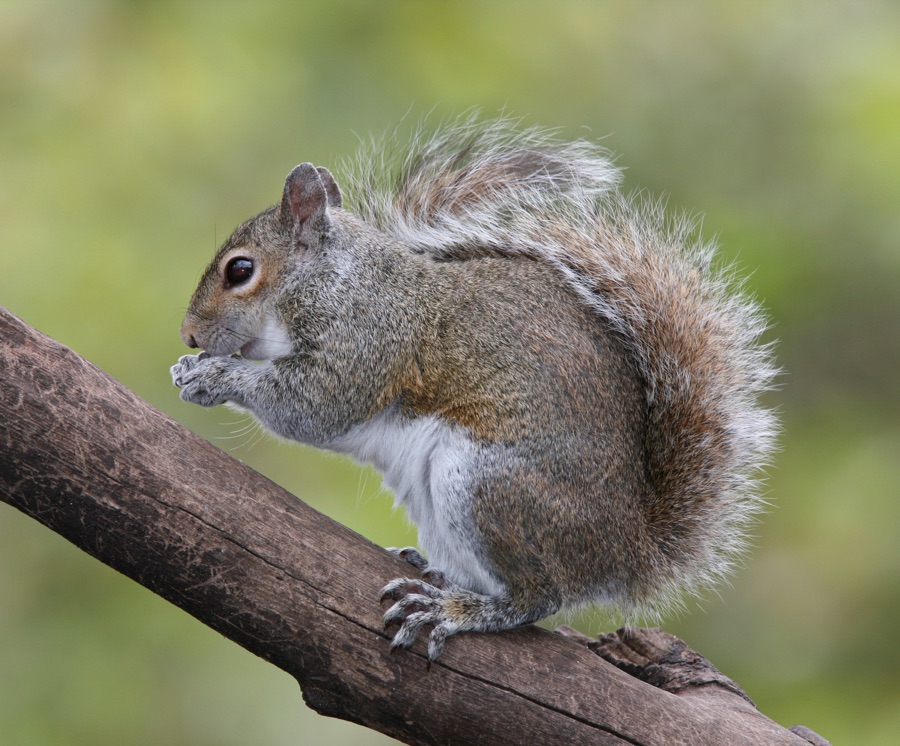
Gray squirrels and fox squirrels often invade attics and gnaw on electrical wires, posing serious fire hazards. Delaying action can lead to extensive damage and costly repairs. Licensed wildlife removal professionals have the expertise to safely and effectively address these issues.
Identifying Squirrels
Gray squirrels and fox squirrels are two of the most frequent visitors to residential areas, often becoming a nuisance for homeowners. Gray squirrels typically weigh between 1 and 1.5 pounds and can grow up to 20 inches in length from nose to tail tip. Their fur is predominantly gray on top with white underbellies, though variations can occur, leading to individuals appearing more silver or even black. Fox squirrels are slightly larger, often weighing closer to 2 pounds and reaching lengths of about 24 inches. They have a reddish-brown coat that is sometimes tinged with orange, and their undersides are lighter in color. One of the most distinctive features of both species is their bushy tails, which they use for balance and as a form of communication. These tails can be nearly as long as their bodies, making them easily recognizable even from a distance. Squirrels are diurnal, meaning they are active during the day, but homeowners might hear them scurrying around in attics or walls early in the morning or late in the afternoon. The sounds they make can include scratching, scuttling, and occasional chirping or barking noises, especially when they feel threatened or are communicating with other squirrels. Identifying squirrel tracks can also help confirm their presence. Squirrel footprints typically show four toes on the front feet and five on the hind feet. In soft soil or snow, these prints can be quite distinct, with the front feet measuring about 1 inch in length and the hind feet around 2 inches. The hind feet often appear behind and slightly to the side of the front feet, creating a distinctive hopping pattern. If you find tracks leading up trees or along rooflines, it’s a strong indication that squirrels are frequent visitors. Squirrel droppings can be another telltale sign. These pellets are typically small, measuring about 1/4 to 1/2 inch in length and are often cylindrical with slightly rounded ends. They are usually dark brown but can vary depending on the squirrel’s diet. Squirrel droppings are commonly found near food sources, along travel routes, or in nesting areas such as attics and wall voids. If you notice a concentration of these pellets, it’s likely that squirrels have made your home their habitat.
Why Squirrels Enter Your Home
Gray squirrels and fox squirrels are frequent visitors to homes, driven by a combination of factors that make human dwellings appealing. These small mammals are primarily attracted to the safety and warmth provided by attic spaces, which offer an ideal environment for nesting, especially during colder months when insulation in attics mimics the cozy conditions they would seek in tree cavities. Squirrels also find homes attractive due to easy access to food sources such as bird feeders, pet food left outdoors, and fruit trees or gardens. The abundance of these resources can draw squirrels into residential areas, where they may then look for entry points into buildings. Squirrels are adept climbers and can exploit various weak spots in a home’s structure to gain entry. Common access points include roof vents, soffits, gaps in fascia boards, foundation cracks, and chimneys. These animals have sharp claws and strong teeth that allow them to chew through wood, plastic, and even soft metals, making it relatively easy for them to create or enlarge openings. Once inside, squirrels can cause significant damage by gnawing on electrical wires, which poses a fire hazard, and by tearing up insulation to build nests. Seasonal patterns play a role in their behavior; during the fall and winter, squirrels are more likely to seek out warm, sheltered spaces for nesting, while in spring and summer, they may be driven by the need to find safe places to raise their young. While trapping and removing individual squirrels can provide temporary relief, it does not address the underlying issues that attract them in the first place. Professional exclusion services are essential for long-term solutions. These experts can identify and seal all potential entry points, ensuring that squirrels cannot return. They also offer advice on how to modify the environment around your home to make it less attractive to wildlife, such as securing trash cans, removing bird feeders during peak activity times, and trimming tree branches away from the roof. By addressing both the immediate problem and the root causes, professional exclusion can help prevent future squirrel invasions and protect your home from damage.
Damage Squirrels Cause
Gray squirrels and fox squirrels can wreak havoc on residential structures, causing a range of issues that extend beyond mere inconvenience. These agile rodents are notorious for their tendency to chew through wood, plastic, and even metal, often targeting attic spaces where they can gain entry through small gaps or weak points in the roofline. Once inside, they can gnaw through support beams, compromising the structural integrity of the home. Insulation is another common target; squirrels will tear it apart to create nests, leading to increased energy costs as the insulation's effectiveness diminishes. Over time, this damage can become extensive and costly to repair, particularly if left unaddressed. In addition to structural concerns, squirrel infestations pose significant health risks. Their droppings and urine can contaminate attic spaces and wall cavities, creating unpleasant odors and potential respiratory issues for homeowners. Squirrels are known carriers of various parasites and diseases, including fleas, ticks, and mites, which can spread to pets and humans alike. Perhaps most alarming is the risk of fire posed by their habit of gnawing on electrical wires. This behavior can lead to short circuits and even house fires, making it a critical safety concern. The longer an infestation persists, the more extensive and severe these damages become, compounding both the financial burden and the health risks for those affected.
How to Remove Squirrels
When faced with a squirrel infestation, the first step for licensed wildlife removal contractors is to conduct a thorough initial inspection of the property. This involves identifying entry points such as small gaps in the roofline, vents, or damaged soffits where squirrels can gain access to attics and walls. The contractor will also assess the extent of the damage caused by the squirrels, including any chewed electrical wires or structural weaknesses. During this inspection, the contractor may set up cameras or use other monitoring tools to observe squirrel activity patterns, which helps in planning the most effective removal strategy. For gray squirrels and fox squirrels, licensed contractors typically employ humane methods such as live trapping and exclusion devices. Live traps are placed at strategic locations near entry points and baited with foods that attract squirrels, like nuts or peanut butter. Once a squirrel is captured, it can be relocated to a suitable habitat away from the property, in accordance with local wildlife regulations. Exclusion devices, such as one-way doors, are another effective method. These devices allow squirrels to exit the structure but prevent them from re-entering. For larger colonies, colony exclusion techniques may be used, which involve sealing all entry points except one, where a one-way door is installed. This ensures that all squirrels can leave without being able to return. Legal requirements for squirrel removal vary by location and often include obtaining permits and adhering to specific relocation rules. In some areas, gray squirrels are protected species during certain times of the year, such as breeding seasons, which may restrict when they can be removed. Contractors must also ensure that any trapped squirrels are released in a manner that complies with local wildlife laws. After the squirrels have been successfully removed, thorough cleanup and sanitization are essential to prevent odors and potential health hazards. This includes cleaning up droppings, urine stains, and nesting materials, as well as treating affected areas with disinfectants. DIY attempts at squirrel removal often fail because they lack the necessary expertise and equipment, and may also be illegal if not conducted in compliance with local regulations. Additionally, improper sealing of entry points can lead to new infestations, making professional assistance crucial for a long-term solution.
Need squirrel removal?
Speak with a licensed wildlife removal contractor in your area — free, no obligation.
📞 (888) 217-6838This site is a free service to assist homeowners in connecting with local service providers. All contractors/providers are independent and this site does not warrant or guarantee any work performed. It is the responsibility of the homeowner to verify that the hired contractor furnishes the necessary license and insurance required for the work being performed. All persons depicted in a photo or video are actors or models and not contractors listed on this site.
Squirrel Prevention Tips
To effectively prevent squirrel infestations, homeowners must start by sealing off potential entry points to their homes. Gray squirrels and fox squirrels can squeeze through gaps as small as a quarter of an inch, so it’s crucial to inspect your home for any openings around vents, chimneys, eaves, and rooflines. Use sturdy materials like 16-gauge hardware cloth or metal flashing to cover these areas securely. Ensure that all screens on windows and doors are intact and tightly sealed. For larger gaps, consider using expanding foam sealant, but be cautious as squirrels can chew through it. It’s also important to trim tree branches that overhang your roof, as they provide easy access for squirels to jump onto the house. Securing food sources is another critical step in preventing squirrel infestations. Squirrels are attracted to bird feeders and pet food left outdoors, so consider using squirrel-proof bird feeders or placing them at least 10 feet away from your home. Store pet food and birdseed in airtight containers, preferably indoors or in a secure shed. Additionally, modify the habitat around your property by removing any potential nesting materials such as piles of leaves, brush, or debris. Keep your lawn well-maintained and free of tall grass where squirrels can hide. Regularly monitor your home for signs of squirrel activity, especially during the spring and fall when they are most active in seeking shelter. Early detection can prevent a minor issue from turning into a significant infestation.
State Licensing Requirements
State regulations for squirrel removal can vary significantly, making it crucial to understand local laws before taking action. In Texas, individuals engaging in structural pest control must obtain a TPCL (Texas Pesticide/Pest Control License) from the Texas Department of Agriculture (TDA). This license ensures that operators are knowledgeable about safe and effective methods for managing pests like squirrels without causing harm to property or the environment. Meanwhile, New York requires a DEC Nuisance Wildlife Control Operator (NWCO) permit issued by the Department of Environmental Conservation. This permit is essential for legally trapping and removing wildlife, including gray and fox squirrels, from residential or commercial properties. In Connecticut, the Department of Energy and Environmental Protection (DEEP) mandates certification for wildlife control operators to ensure they are well-versed in humane and ethical practices. Hiring a licensed contractor is not just a legal requirement; it also ensures that the job is done correctly and safely. Unlicensed removal can result in hefty fines and legal complications, especially since many states have strict rules regarding protected species. Licensed professionals are trained to identify different squirrel species and know which methods are permissible under state law. They also adhere to proper disposal requirements, preventing potential health hazards and ensuring that the animals are treated humanely.
Wondering what this will cost?
See our complete squirrel removal cost guide →Frequently Asked Questions
How much does it typically cost to remove squirrels from an attic?
The cost of squirrel removal can vary depending on the extent of the infestation and the size of your home. On average, you can expect to pay between $200 and $800 for professional squirrel removal services. For a precise estimate, it's best to contact a licensed wildlife removal contractor in your area.
Can I remove squirrels from my attic myself, or should I hire a professional?
While you can attempt DIY methods like sealing entry points and setting traps, professional squirrel removal is often recommended due to the risks involved. Professionals have the experience and equipment to safely and effectively remove squirrels and prevent future infestations. If you're unsure, it's best to consult with a licensed wildlife removal contractor.
How long does it usually take to get rid of squirrels in my attic?
The timeline for squirrel removal can vary depending on the number of squirrels and the complexity of the situation. Typically, it can take anywhere from a few days to a couple of weeks. A professional contractor will assess your specific case and provide an estimated timeline during their initial consultation.
What are some signs that I have squirrels in my attic?
Common signs of squirrel activity in your attic include scratching or scurrying sounds, especially in the early morning or late afternoon, droppings, gnawed wood or wires, and nesting materials. If you suspect a squirrel infestation, it's important to address it promptly to prevent damage. Contacting a licensed wildlife removal contractor can help ensure proper identification and removal.
Will sealing entry points alone solve my squirrel problem?
Sealing entry points is an essential part of preventing squirrels from re-entering your home, but it may not be enough to remove existing squirrels. If squirrels are already inside, they need to be humanely trapped and removed. After the squirrels are gone, sealing entry points will help prevent future infestations. For a comprehensive solution, consider hiring a licensed wildlife removal contractor.
Find a Licensed Squirrel Removal Contractor
Browse our directory of licensed pest control and wildlife removal professionals across TX, NY, CT, and all 50 states.
Search by State →